about this piece
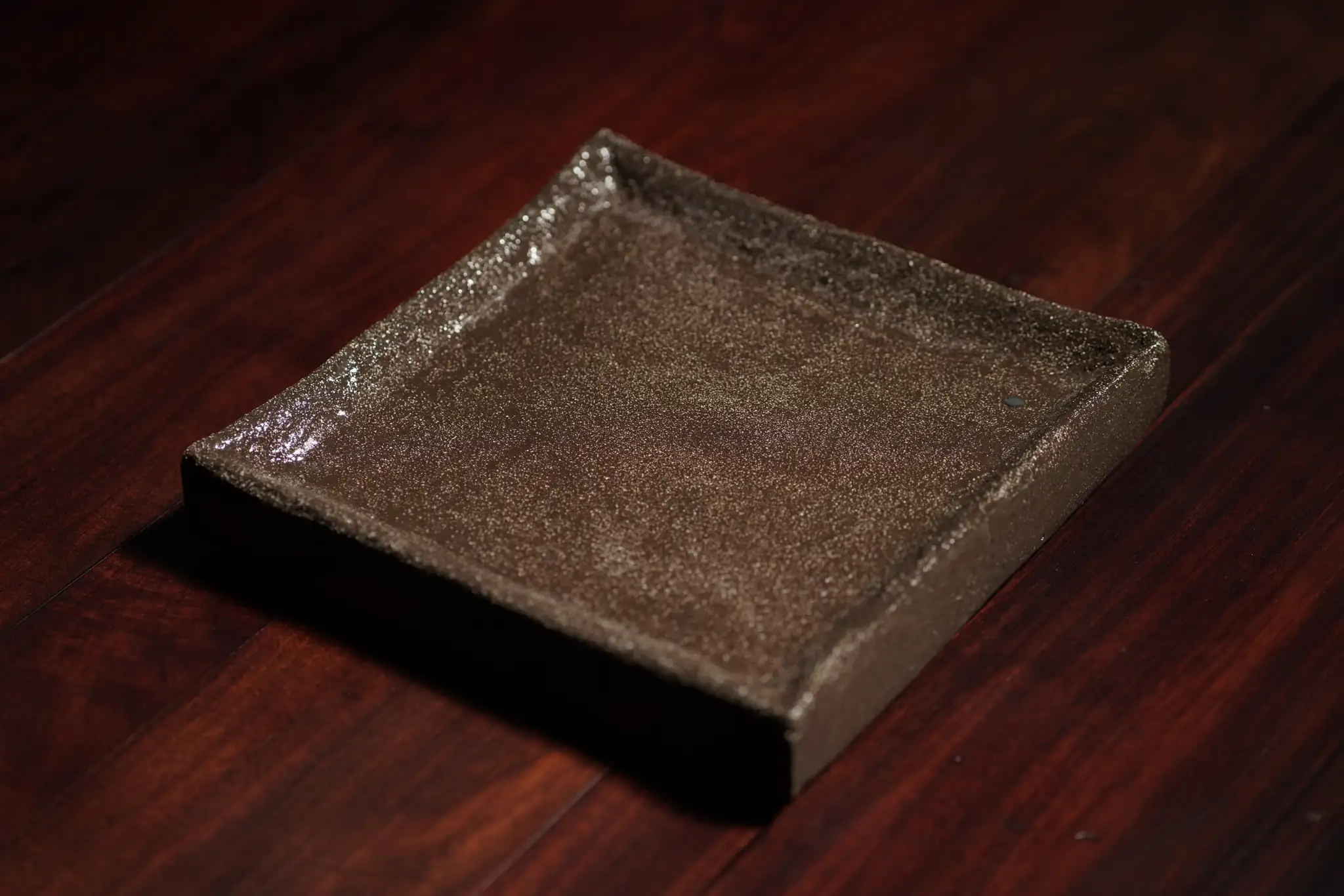
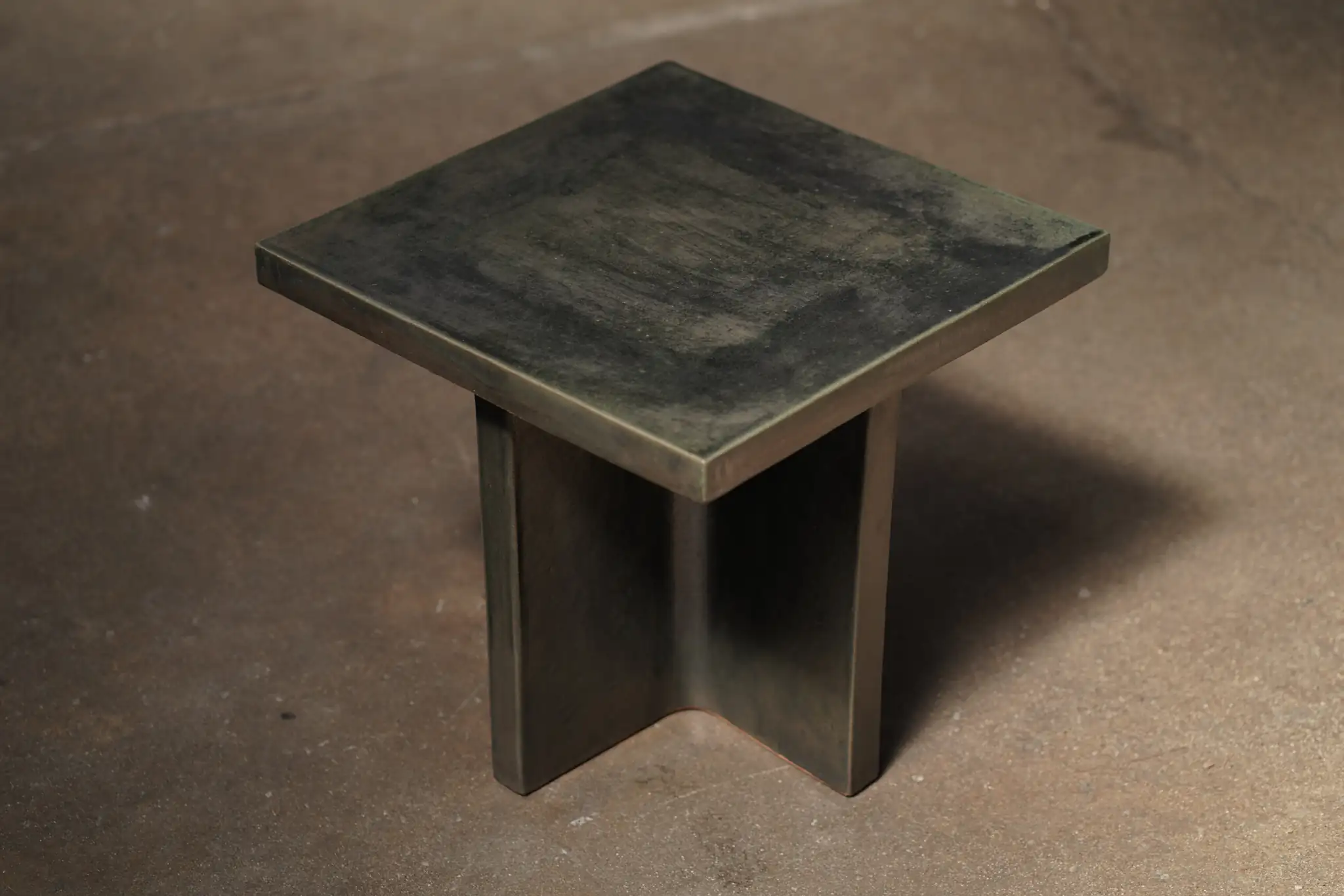
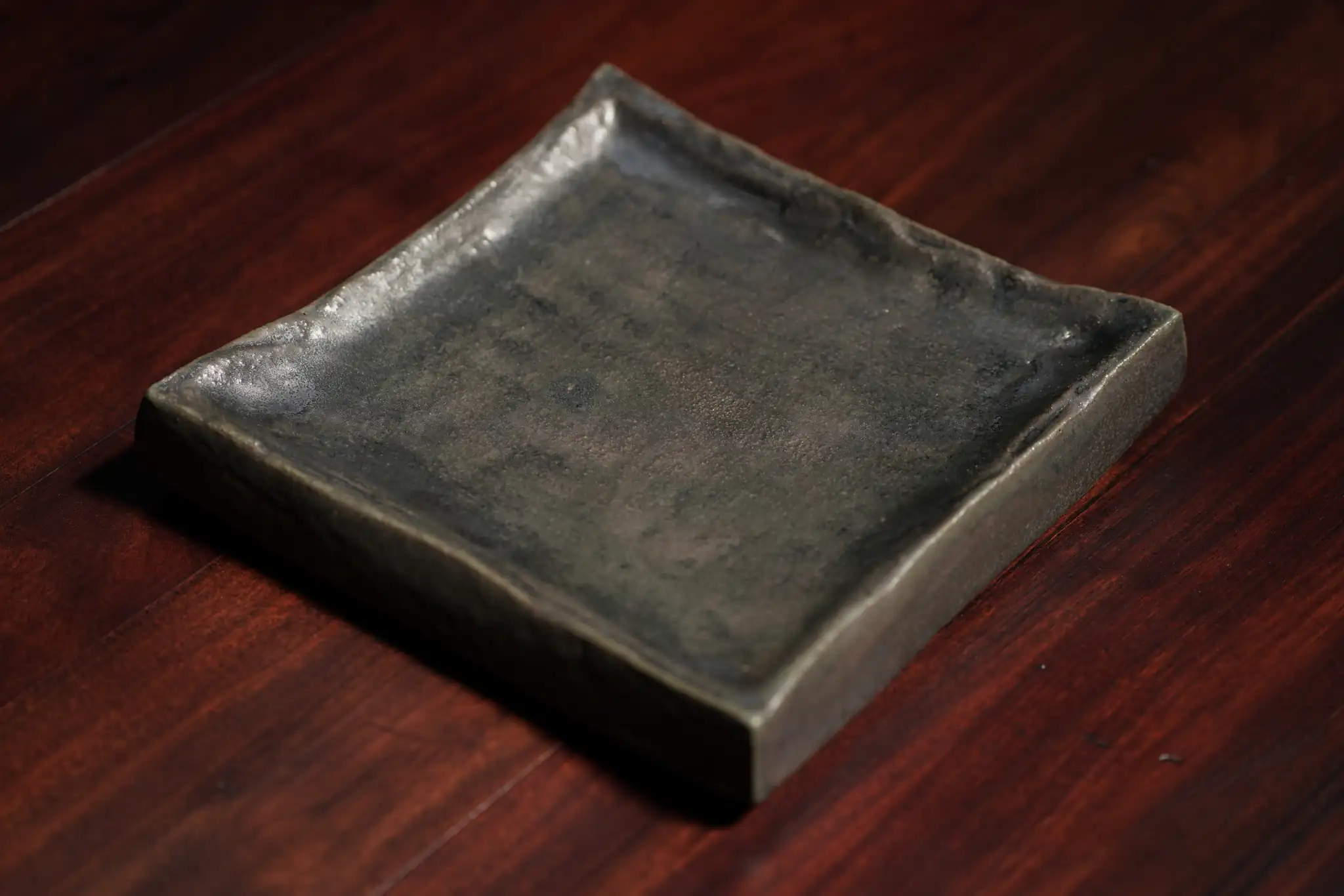
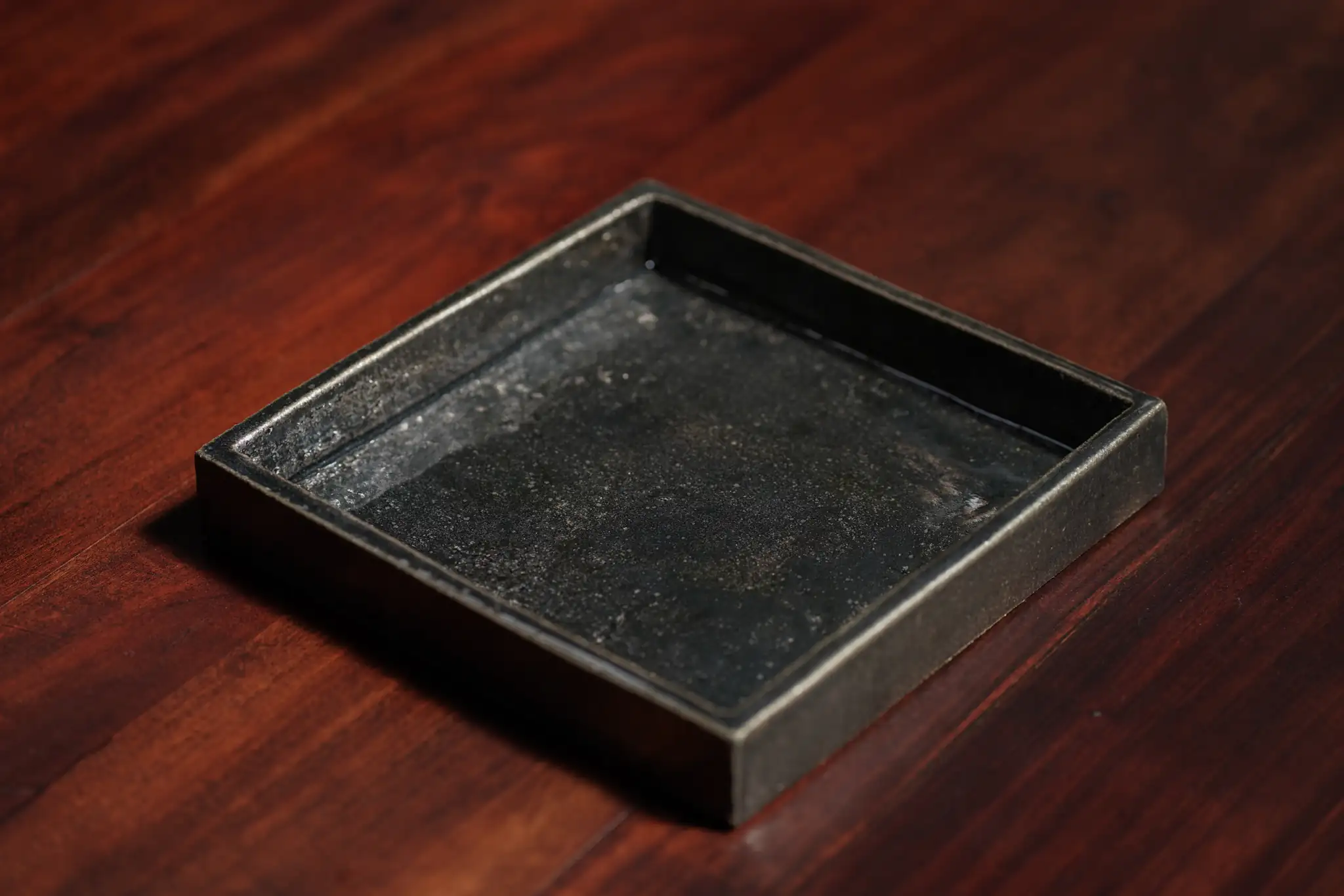
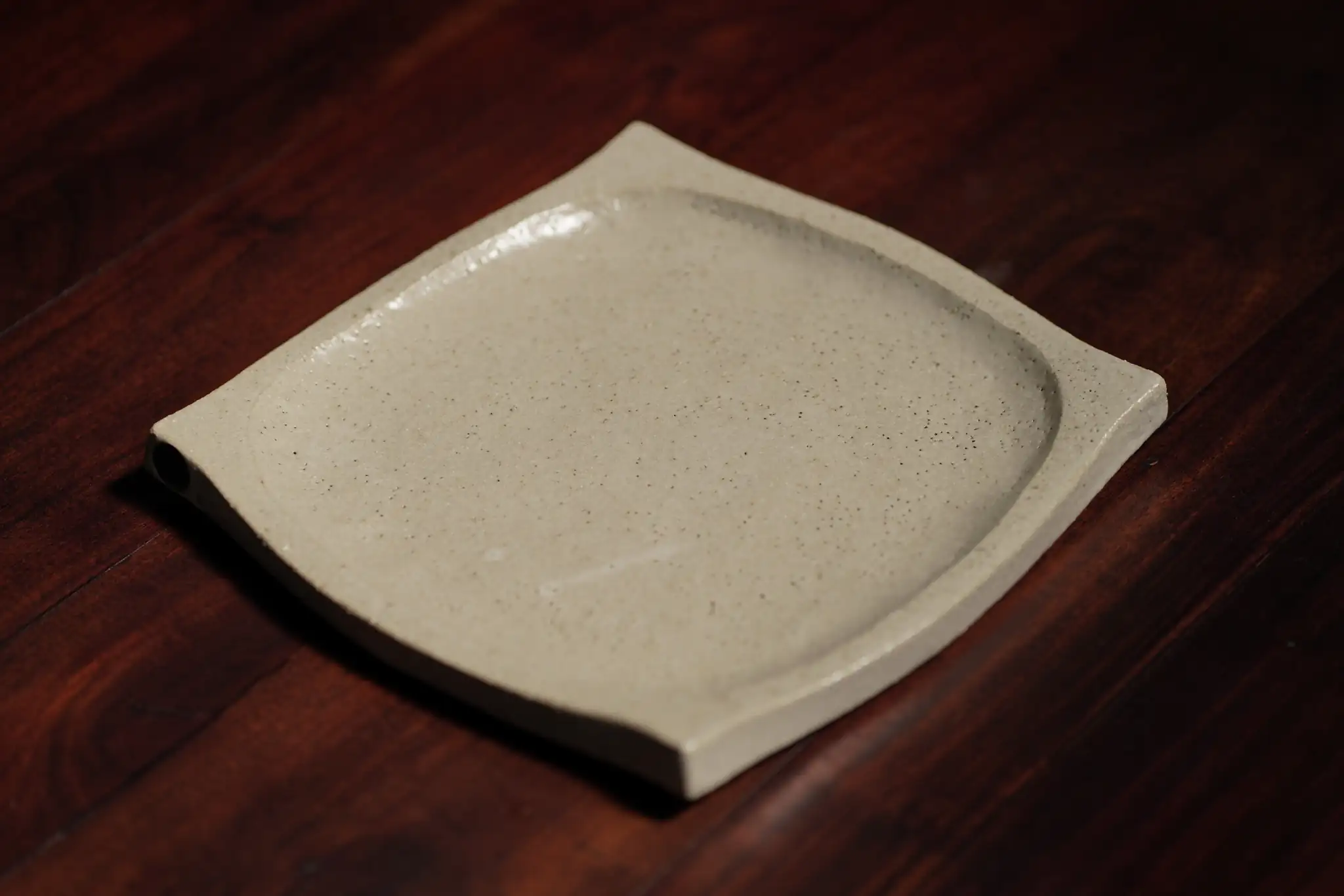
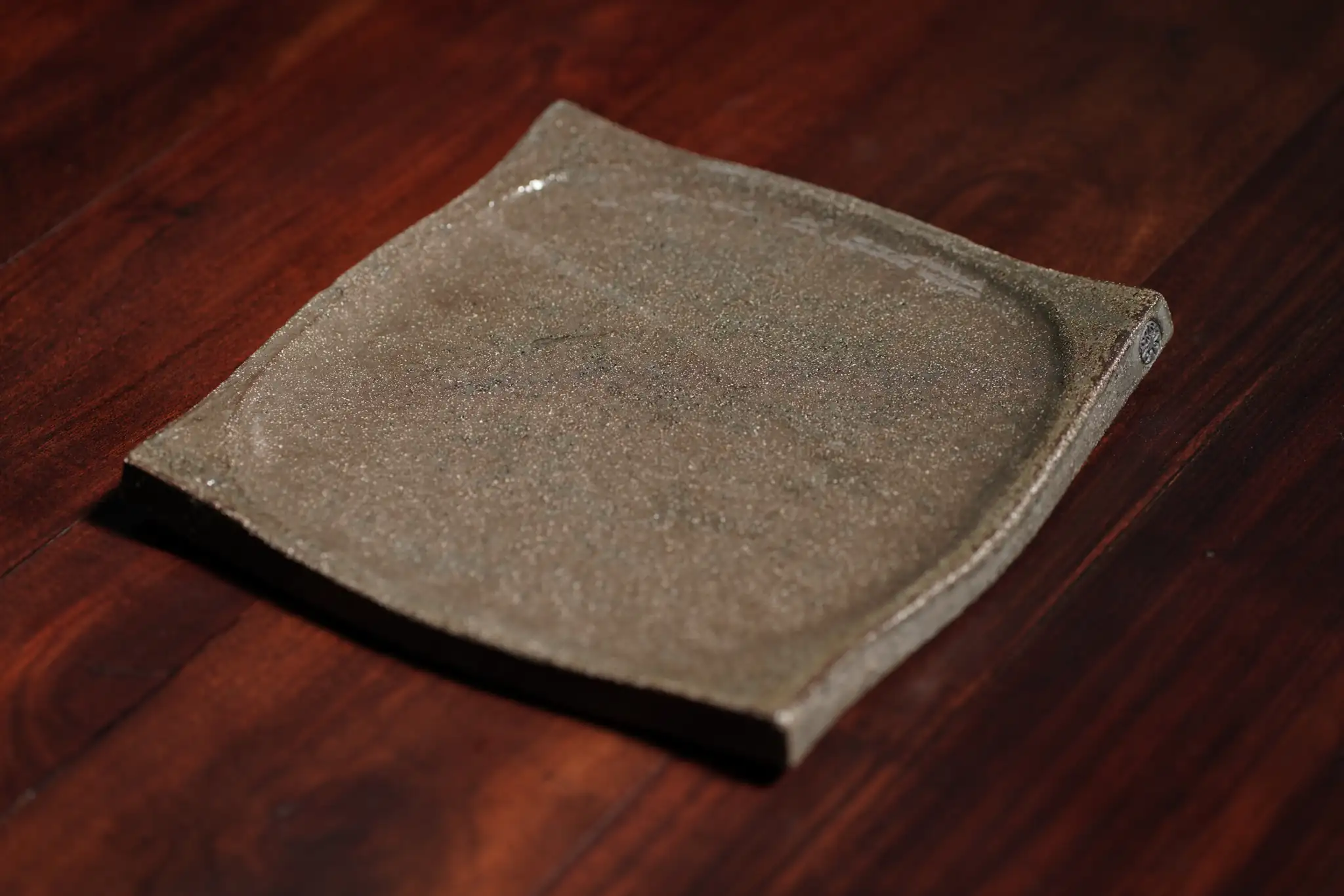
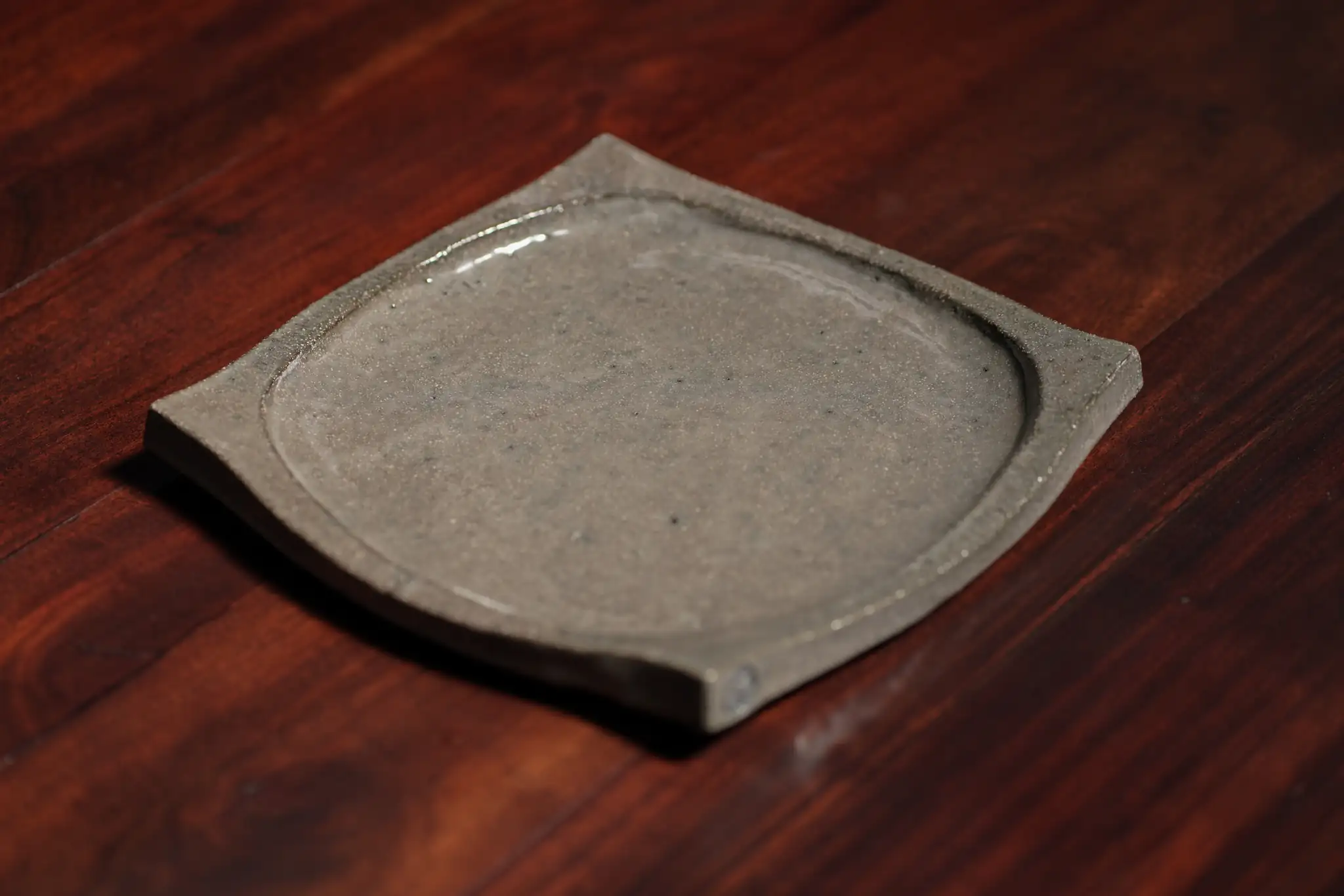
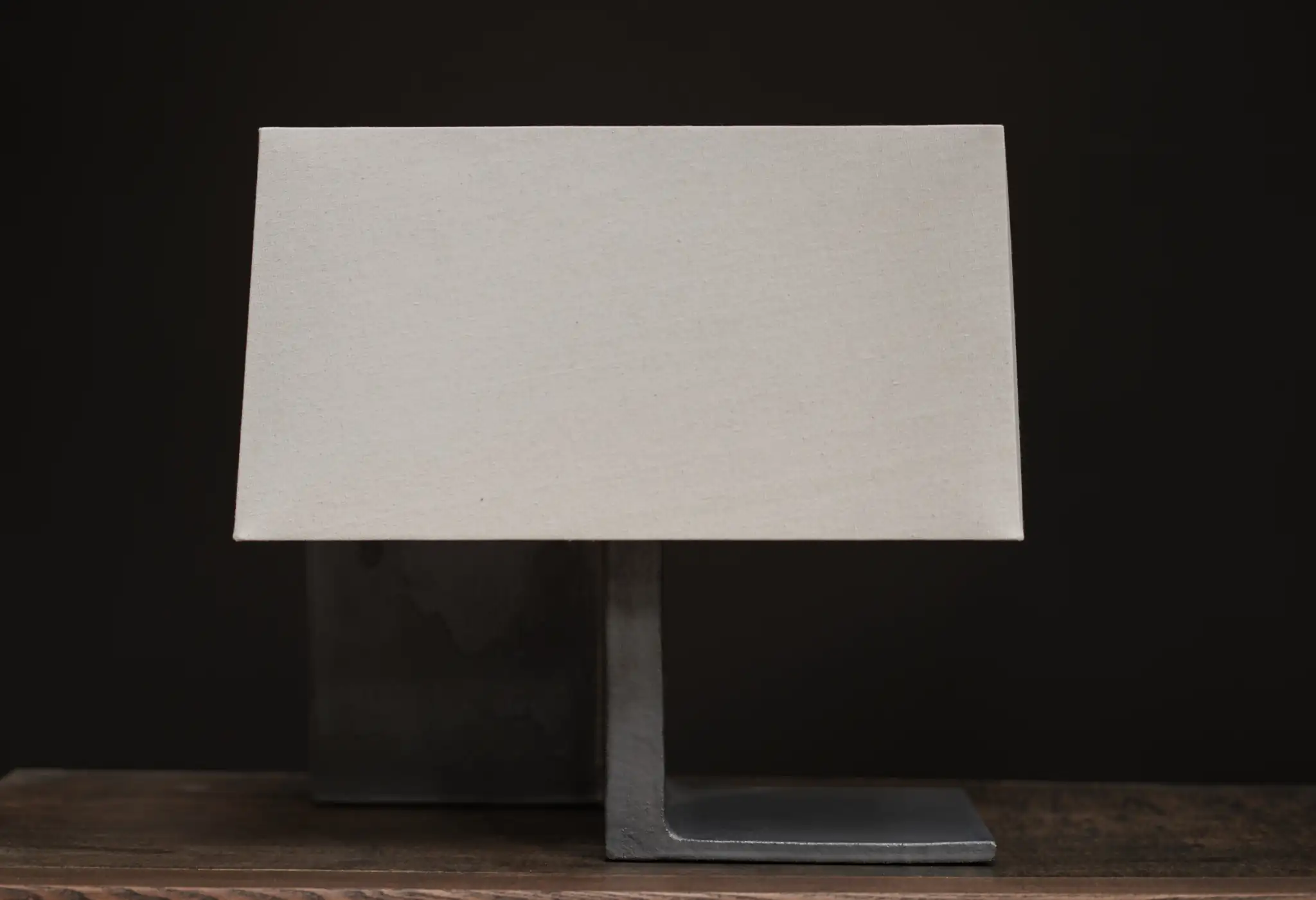
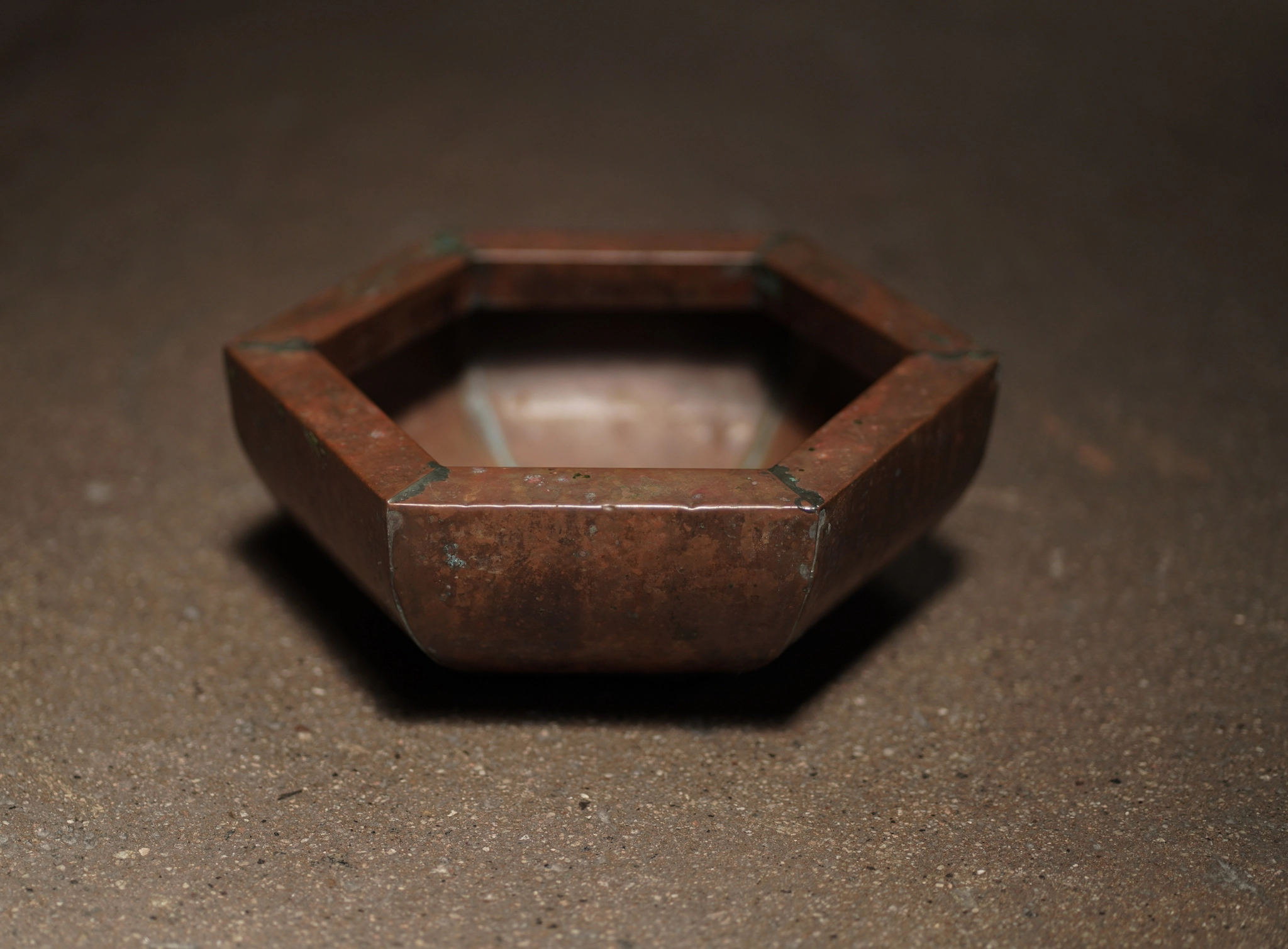
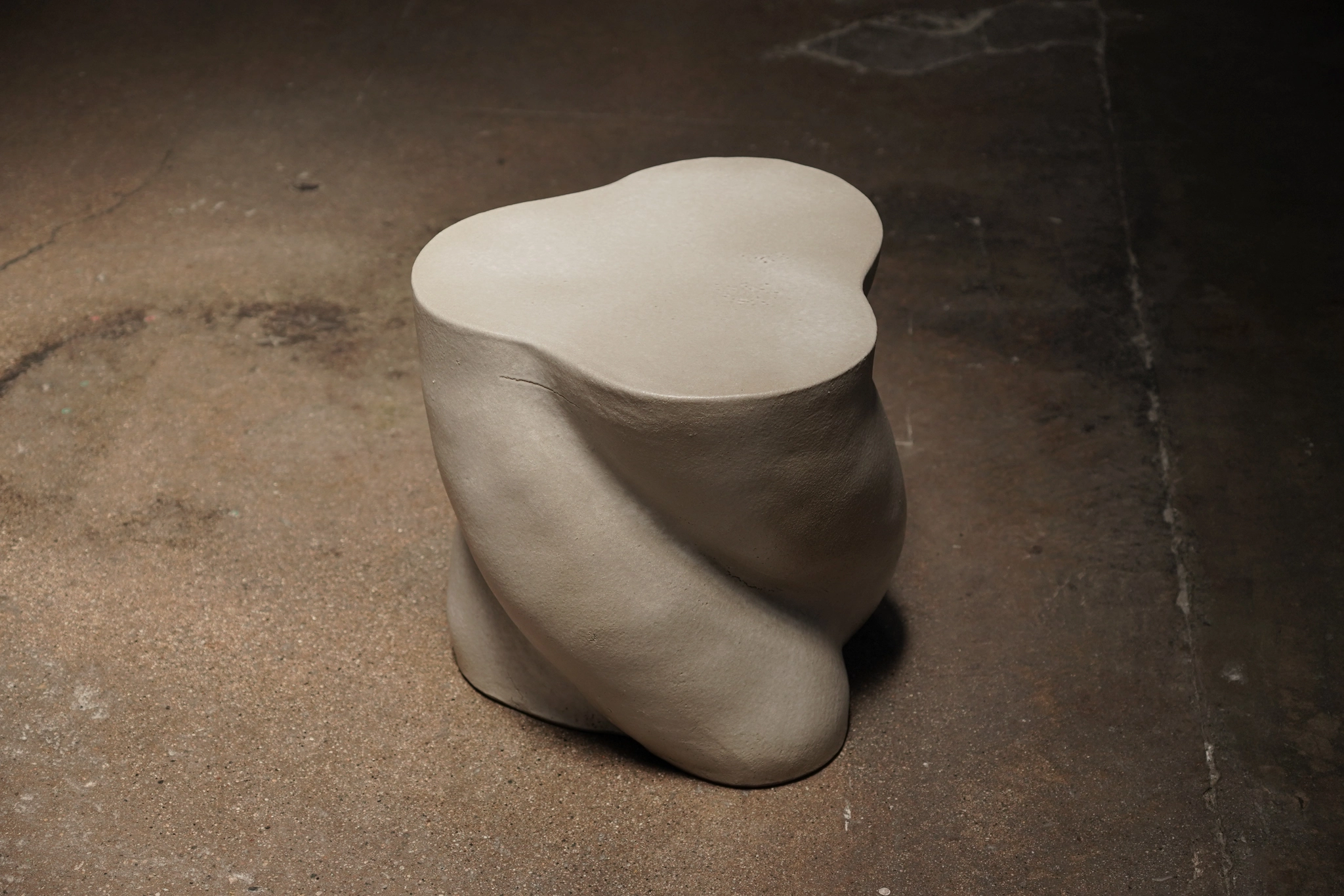
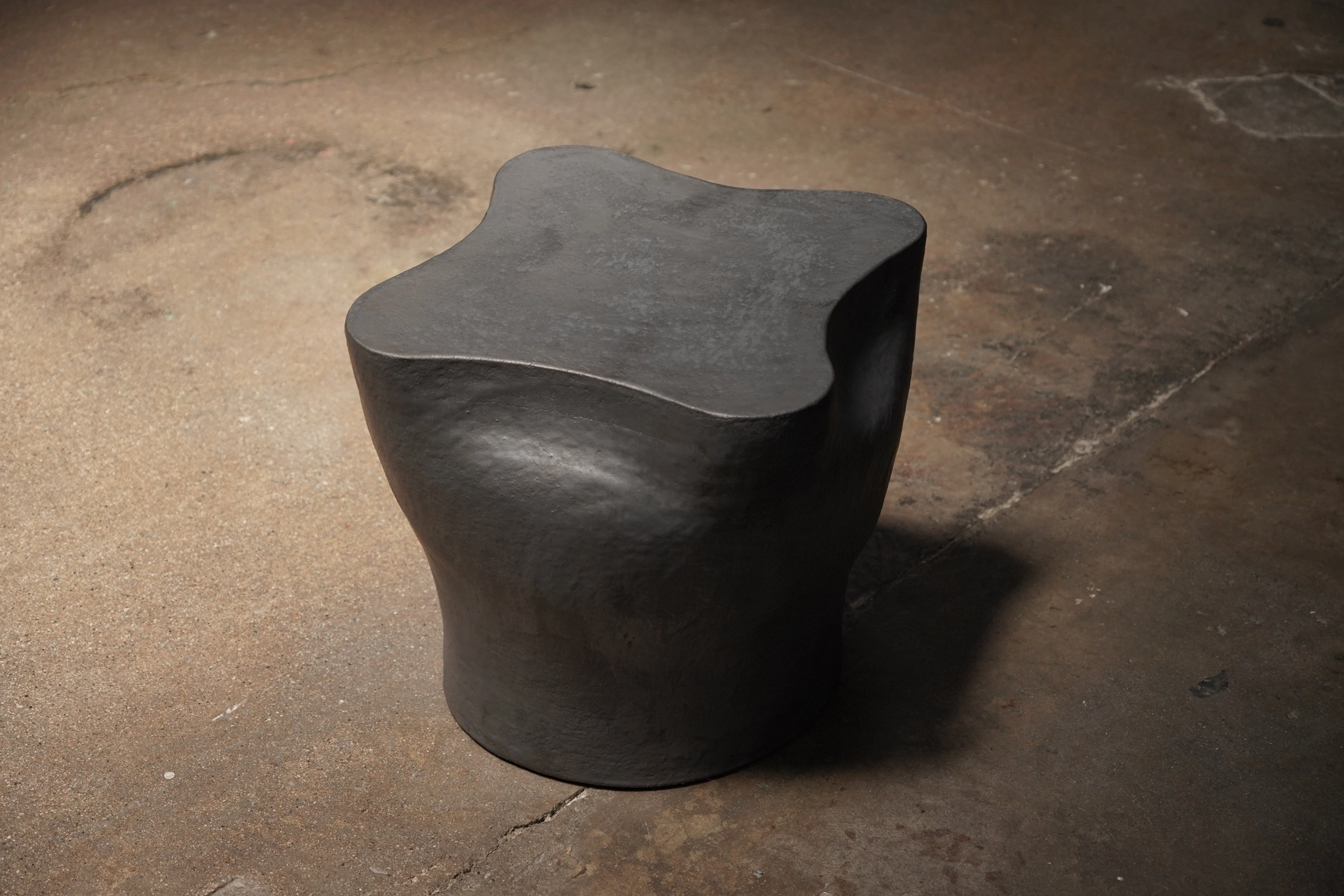
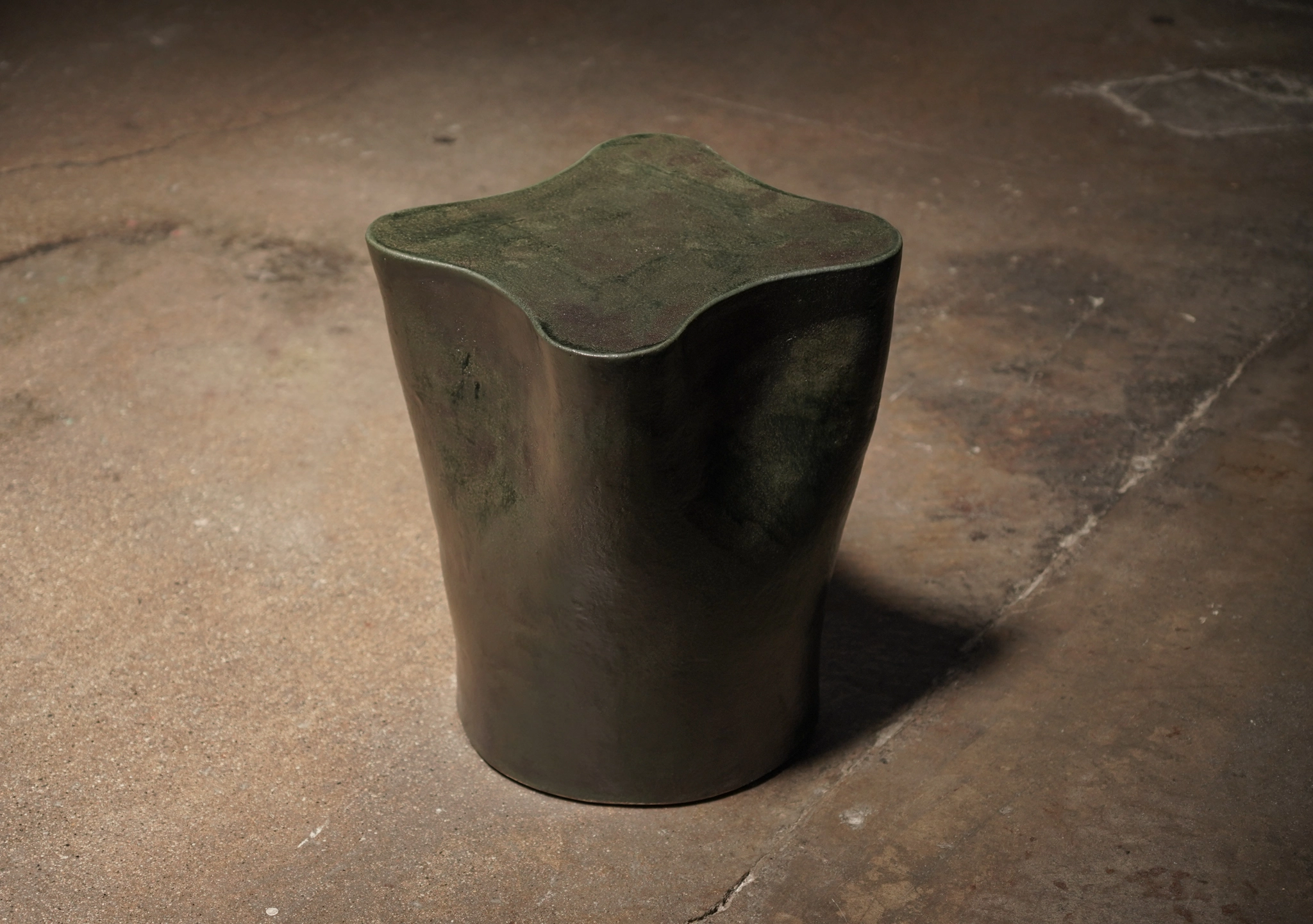
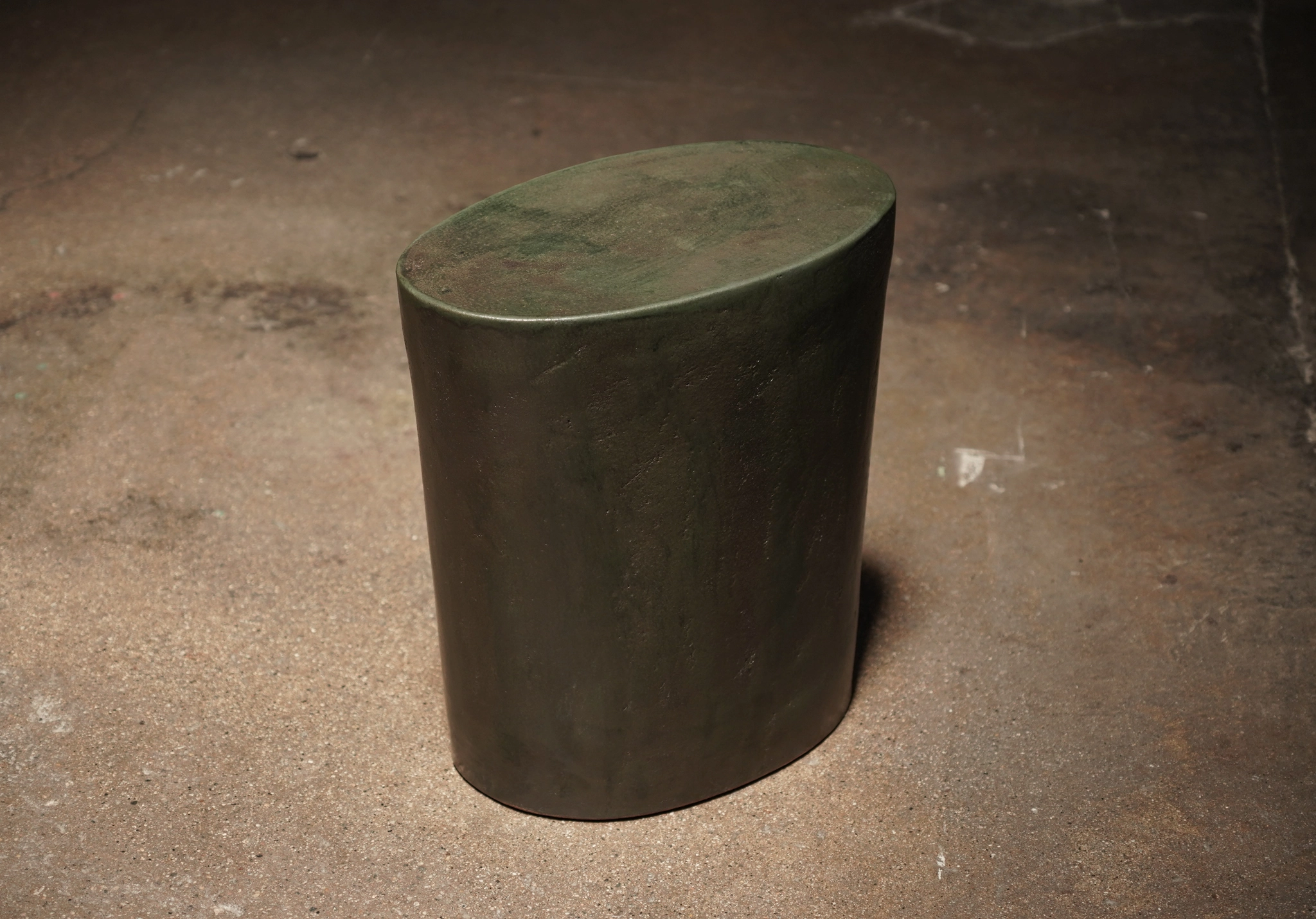
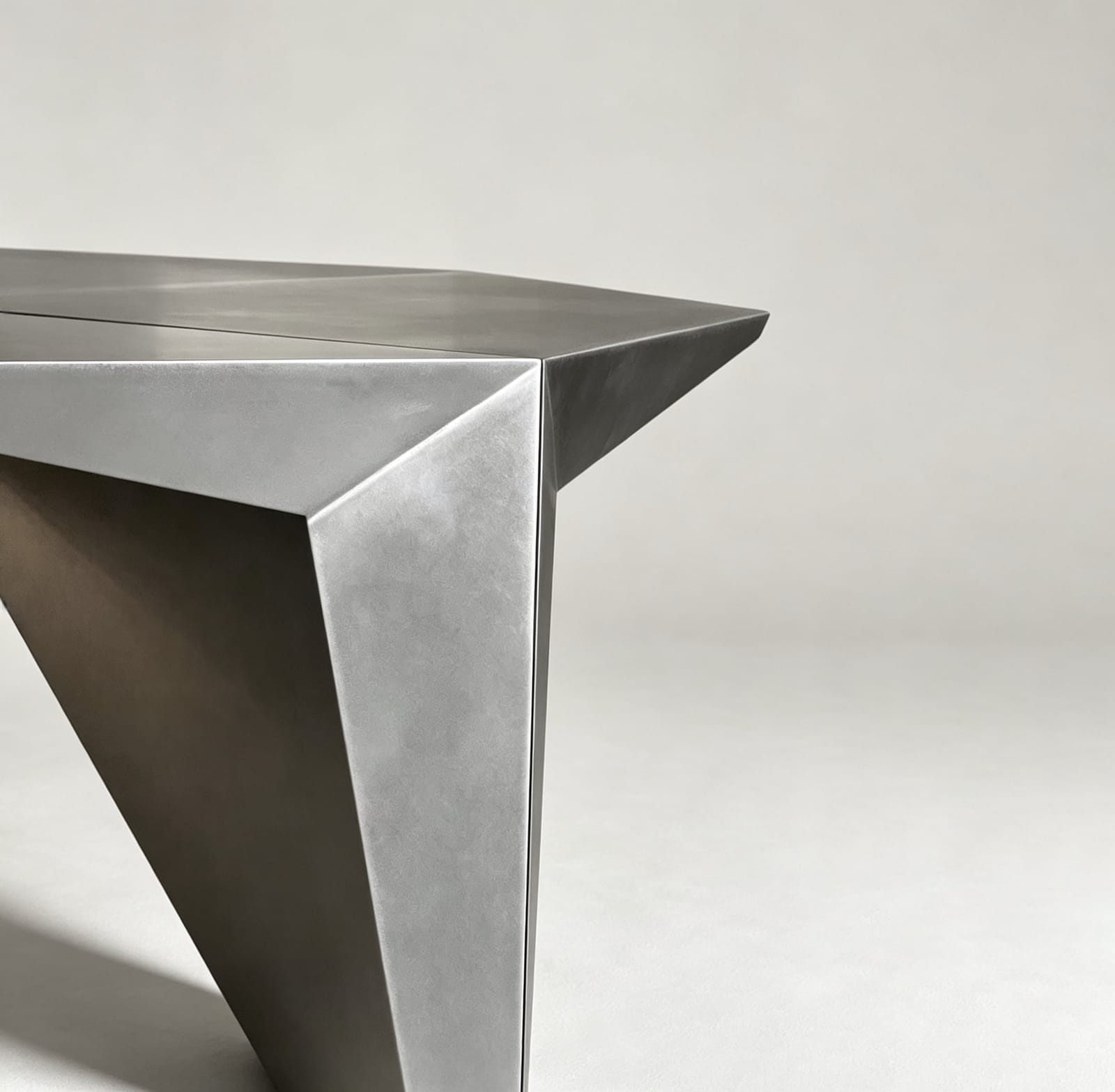
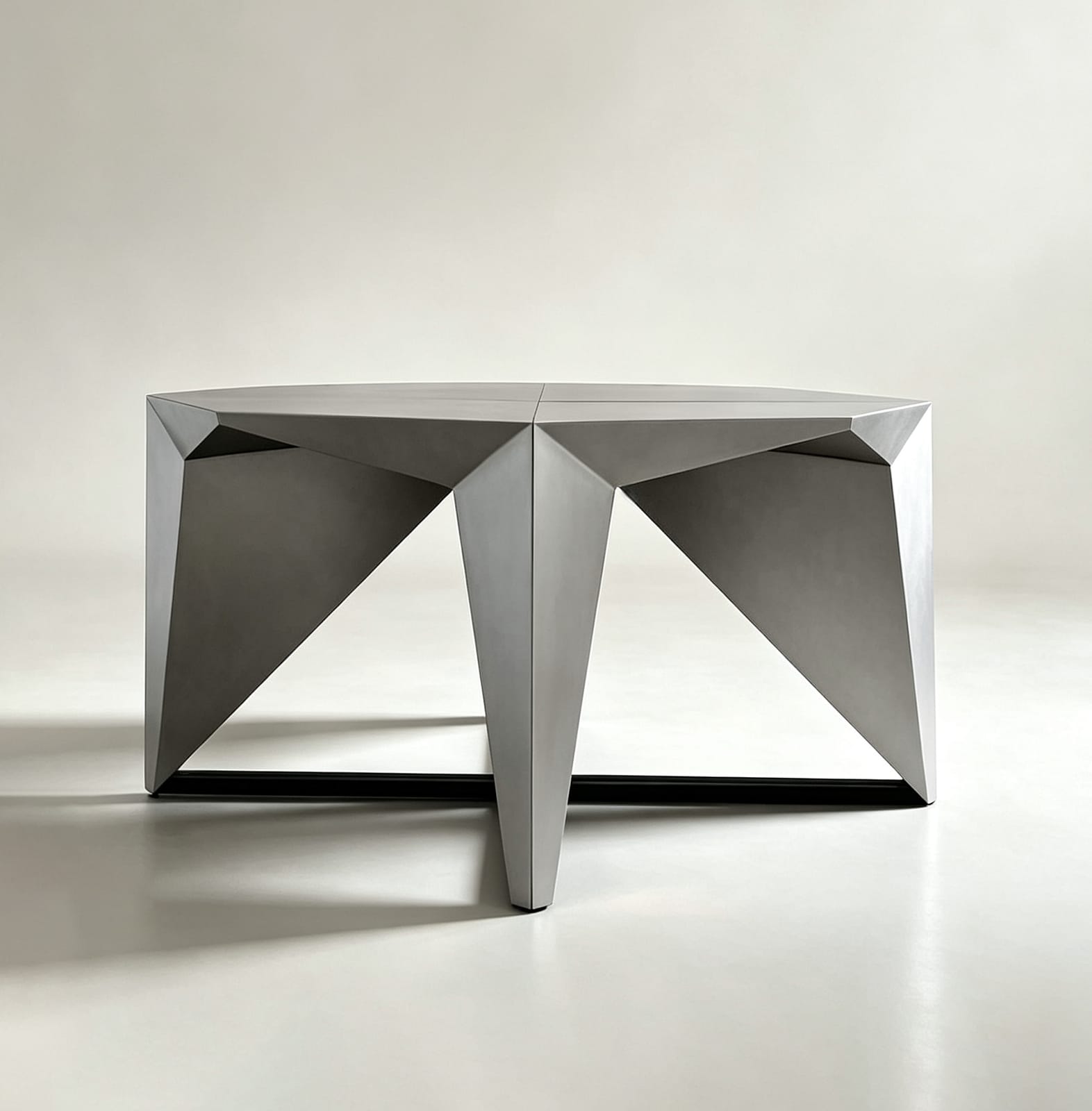
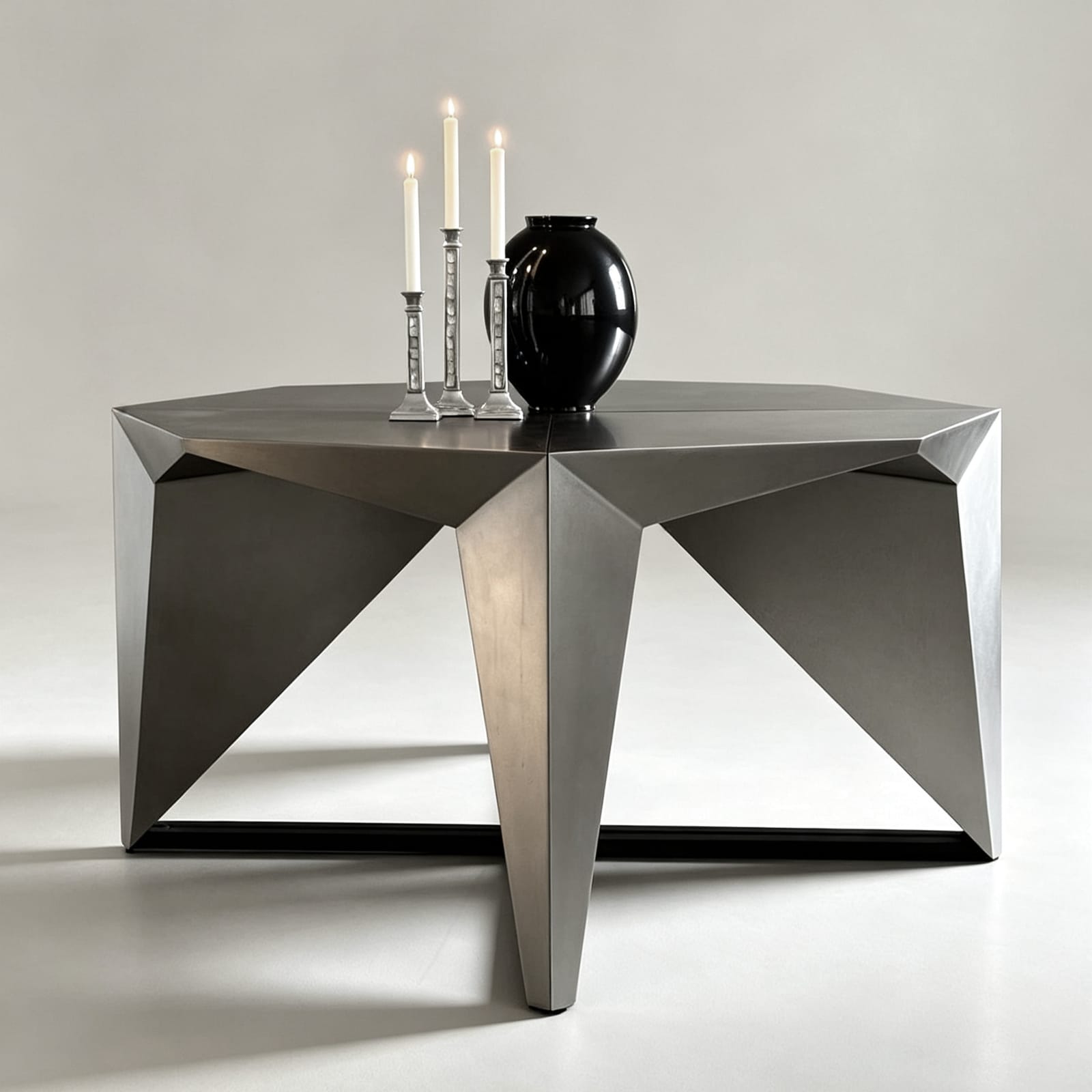
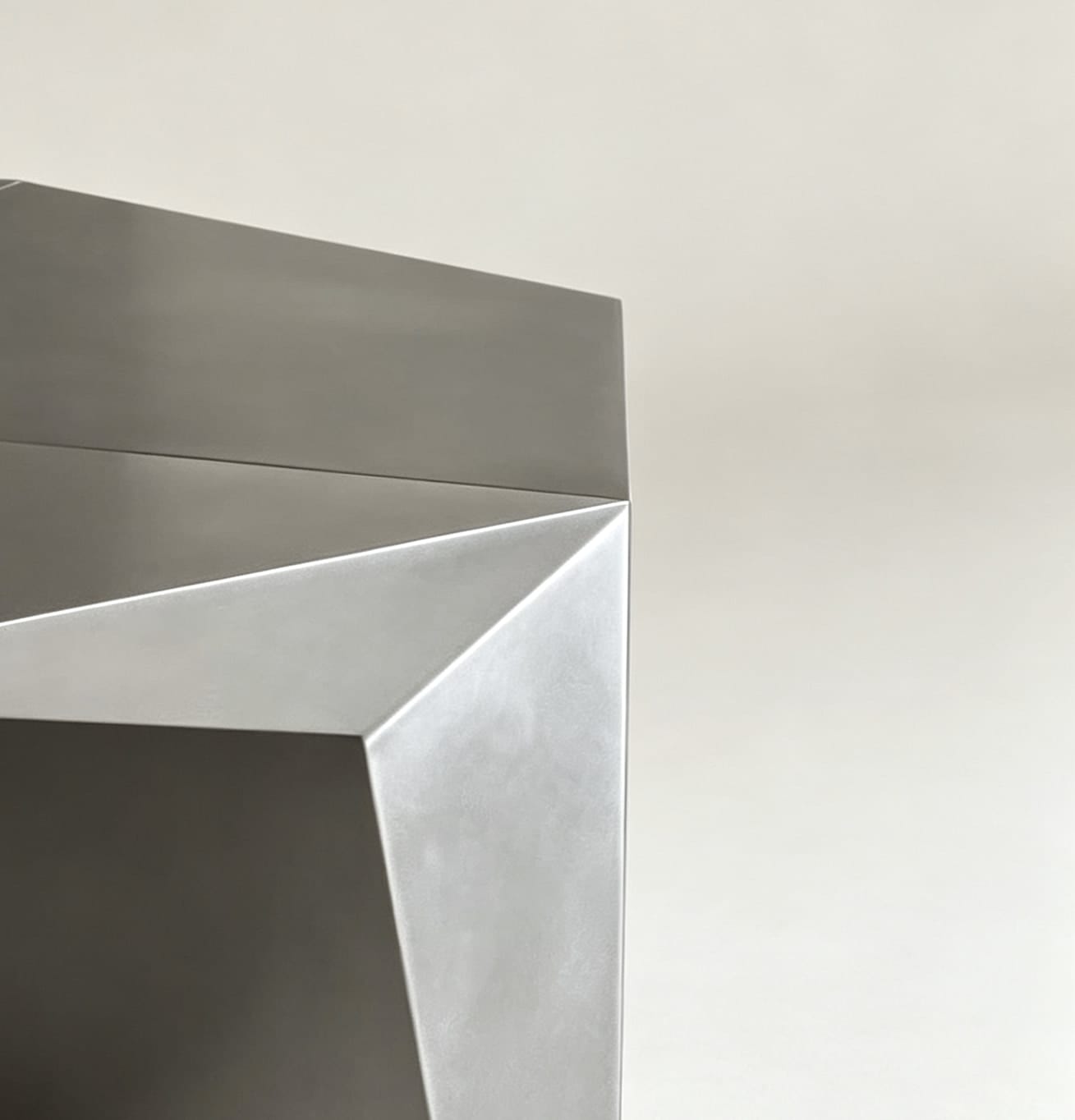
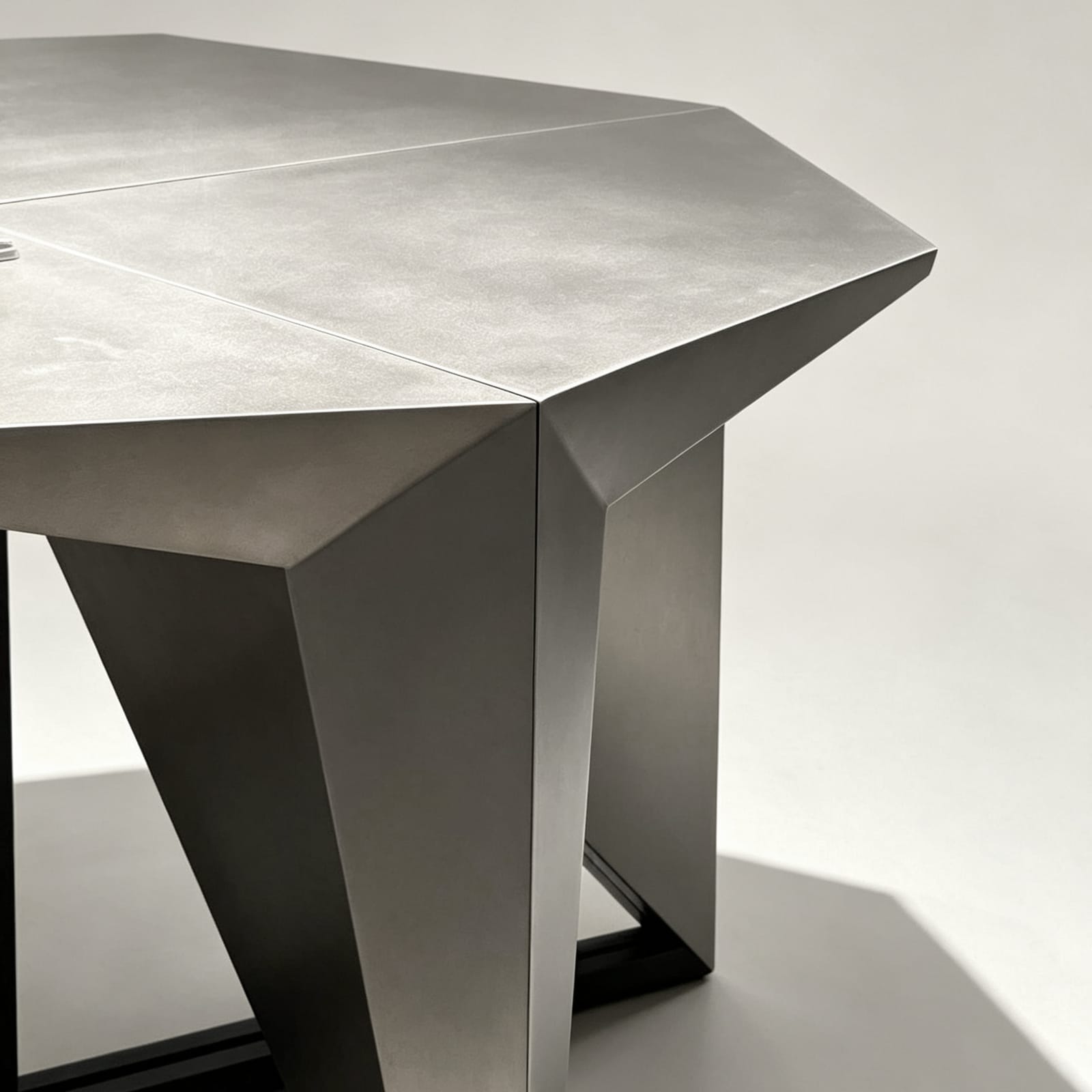
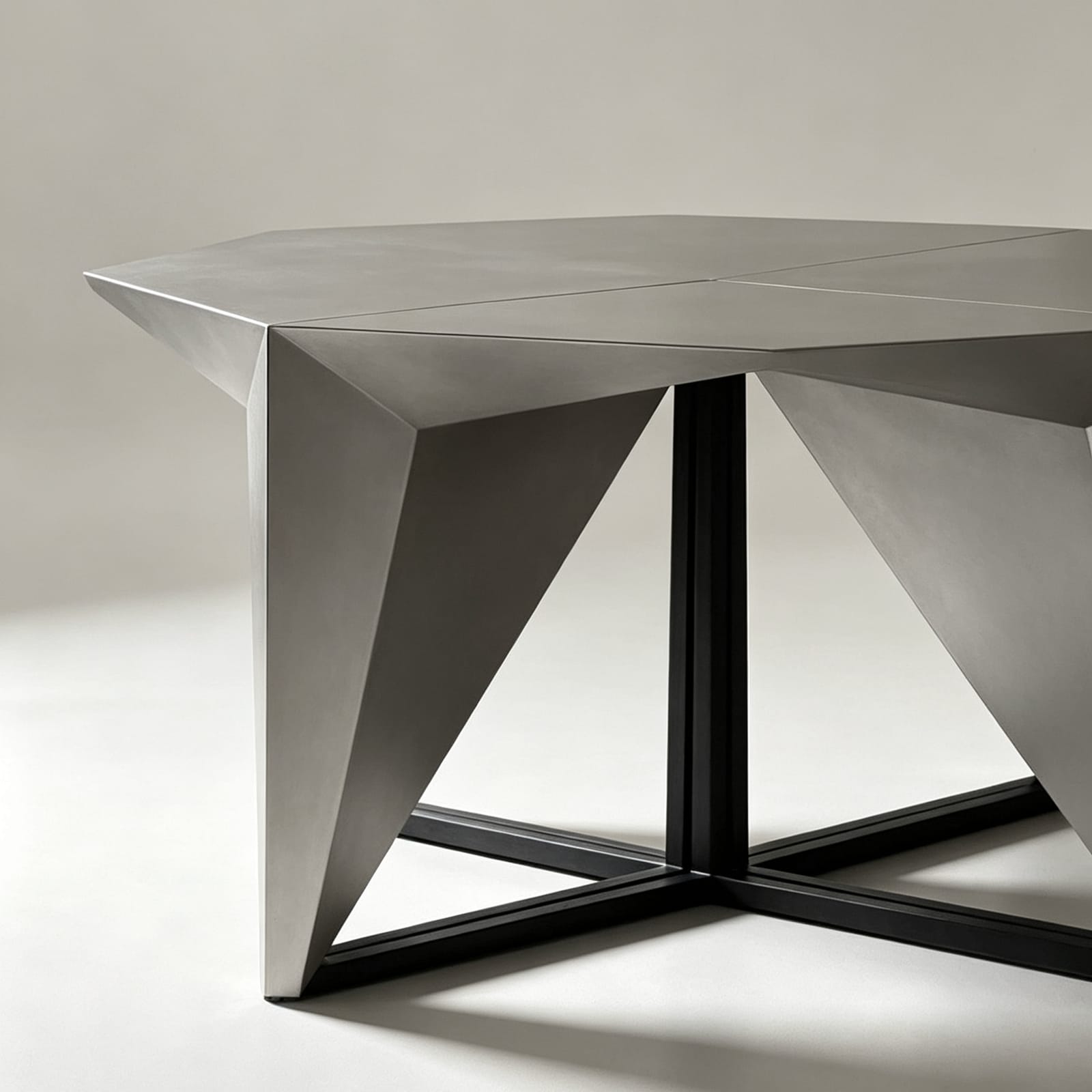
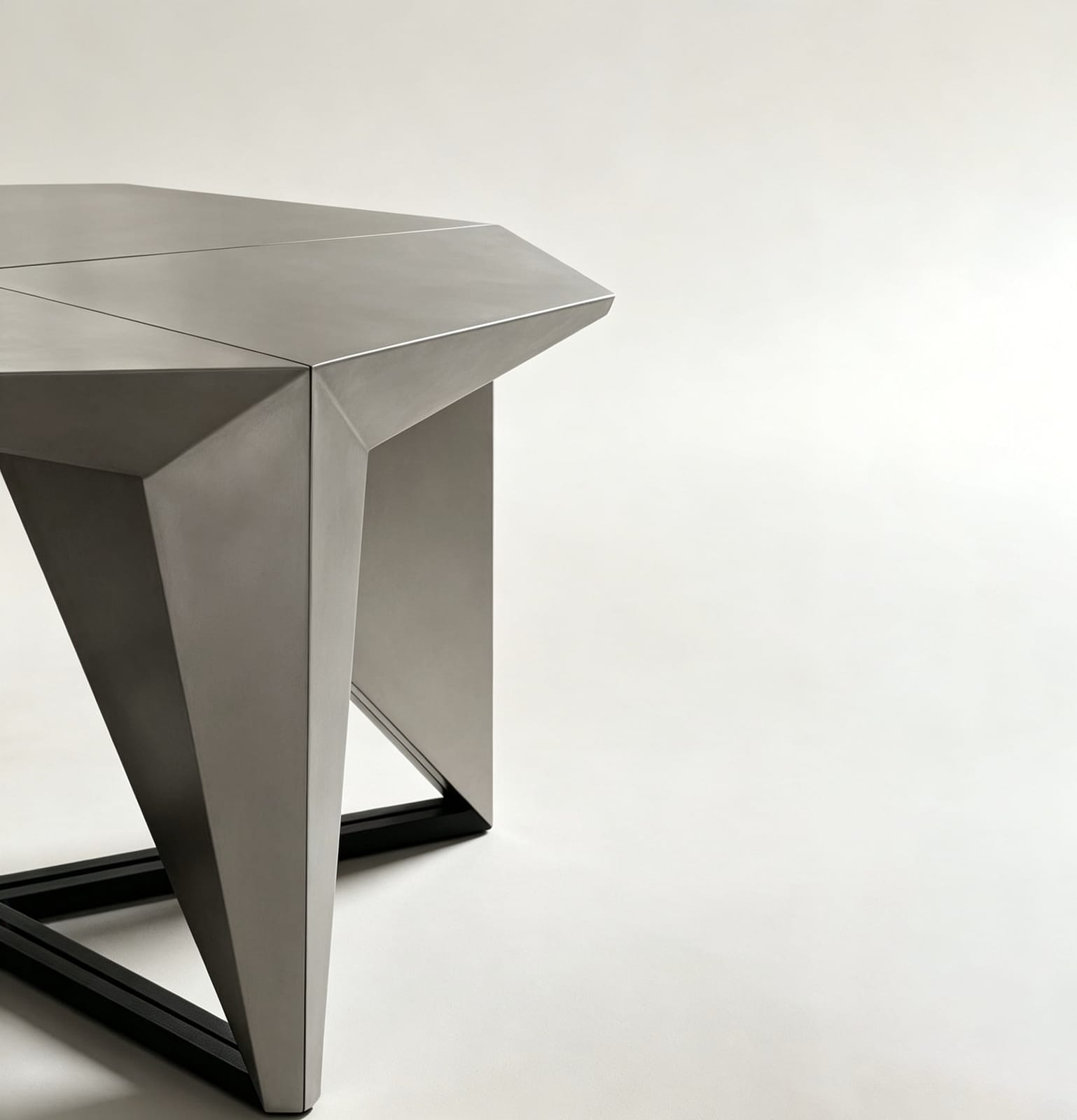
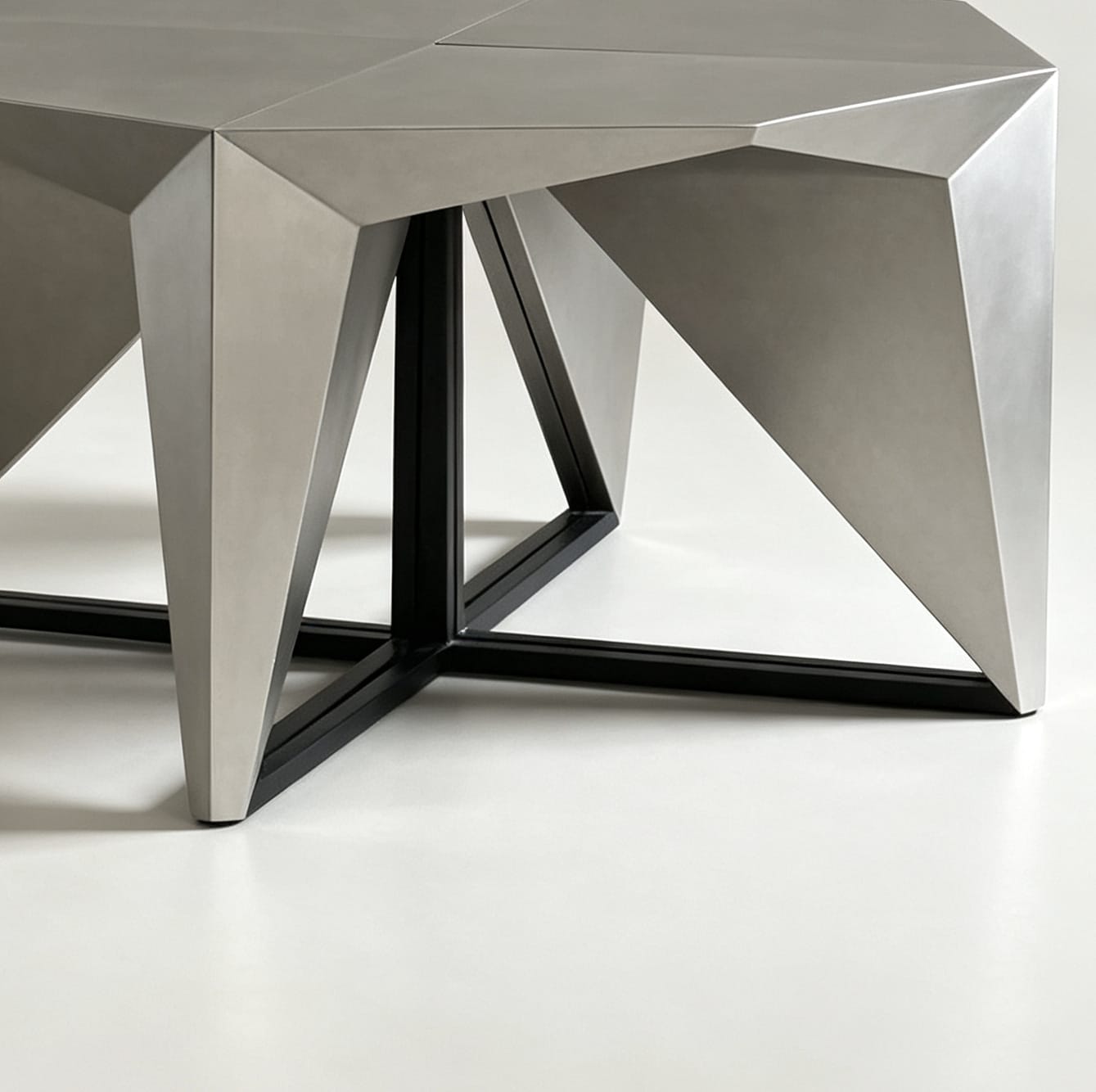
棱线为骨,自成疆域。 一切形态始于棱与面。 当平面经过切割、折叠、重组,便拥有了侵入空间的力量。 锋利棱面并非刻意彰显锋芒,而是几何体最原生的表达。 试图探索家具与空间的边界,让器物不再依附环境,而是拥有独立气场。 整块金属演化成多重交错的几何体,利落折面相互拼接,清晰棱脊切割漫射光线,随视角变幻生出层次丰富的明暗。 多边形台面顺势延展,向下过渡为倾斜支撑结构,底部黑色框架内敛收束,在极具张力的外形之下,守住力学与视觉的平衡。 摒弃冗余装饰,纯粹依靠形体结构表达设计。不止承载器物,更是介入空间、重塑氛围的几何装置。
The edge line is the backbone, forming its own territory. All forms begin with edges and surfaces. When a plane undergoes cutting, folding, and restructuring, it gains the power to intrude into space. The sharp edges do not intentionally showcase their sharpness, but rather represent the most primitive expression of geometric forms. We strive to explore the boundaries between furniture and space, allowing objects to no longer be dependent on their surroundings, but instead to possess an independent aura. The entire piece of metal evolves into a multi-layered, interlocking geometric structure, with sharp facets interconnected and clear ridges cutting and diffusing light, creating rich layers of light and shadow that change with the perspective. The polygonal tabletop extends naturally, transitioning downwards into an inclined support structure, with the black frame at the bottom restrained and converging. Under its highly tensioned appearance, it maintains a balance between mechanics and visual perception. Abandoning redundant decorations, it purely relies on physical structure to express its design. It is not just a container for objects, but also a geometric device that intervenes in space and reshapes the atmosphere.