about this piece
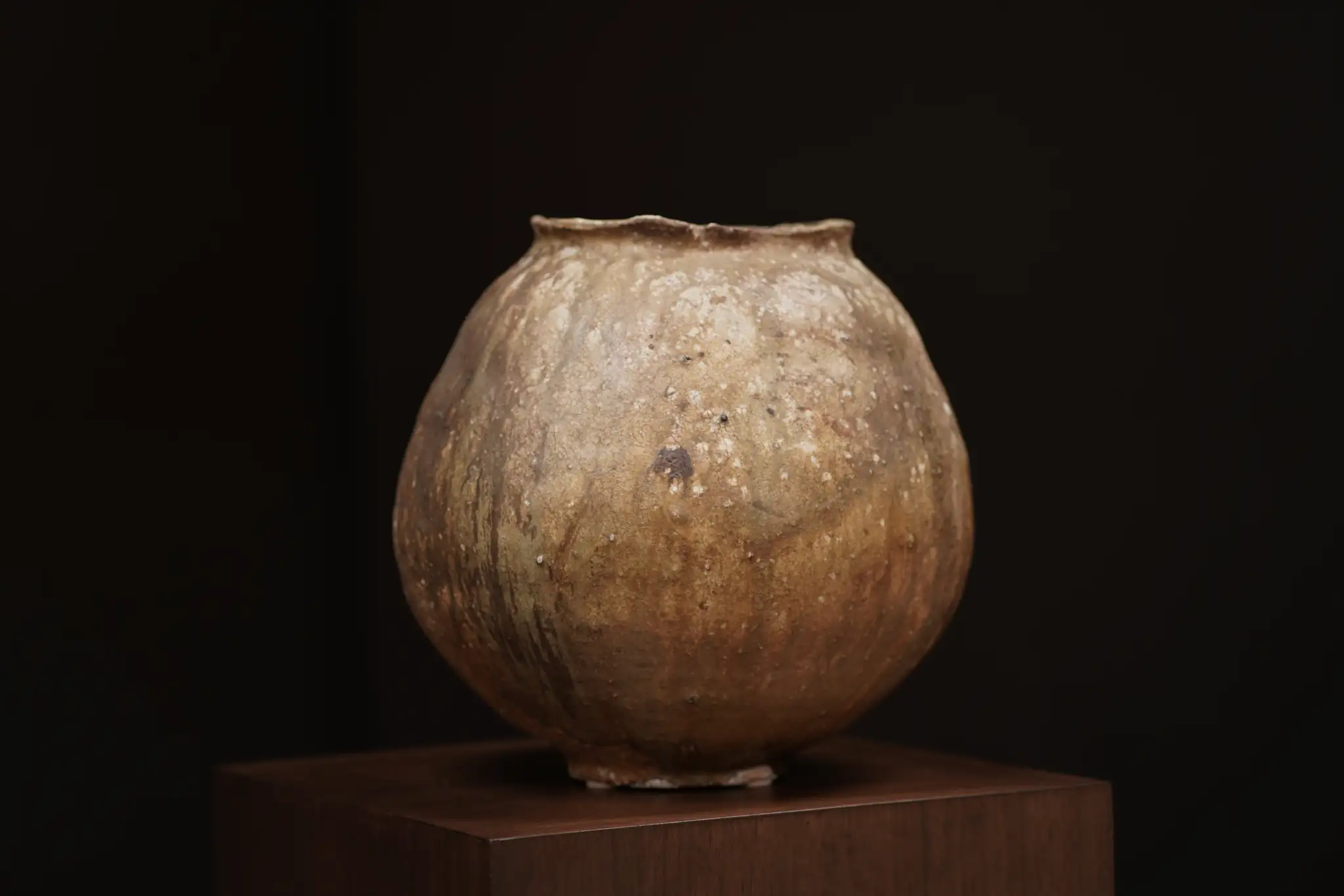
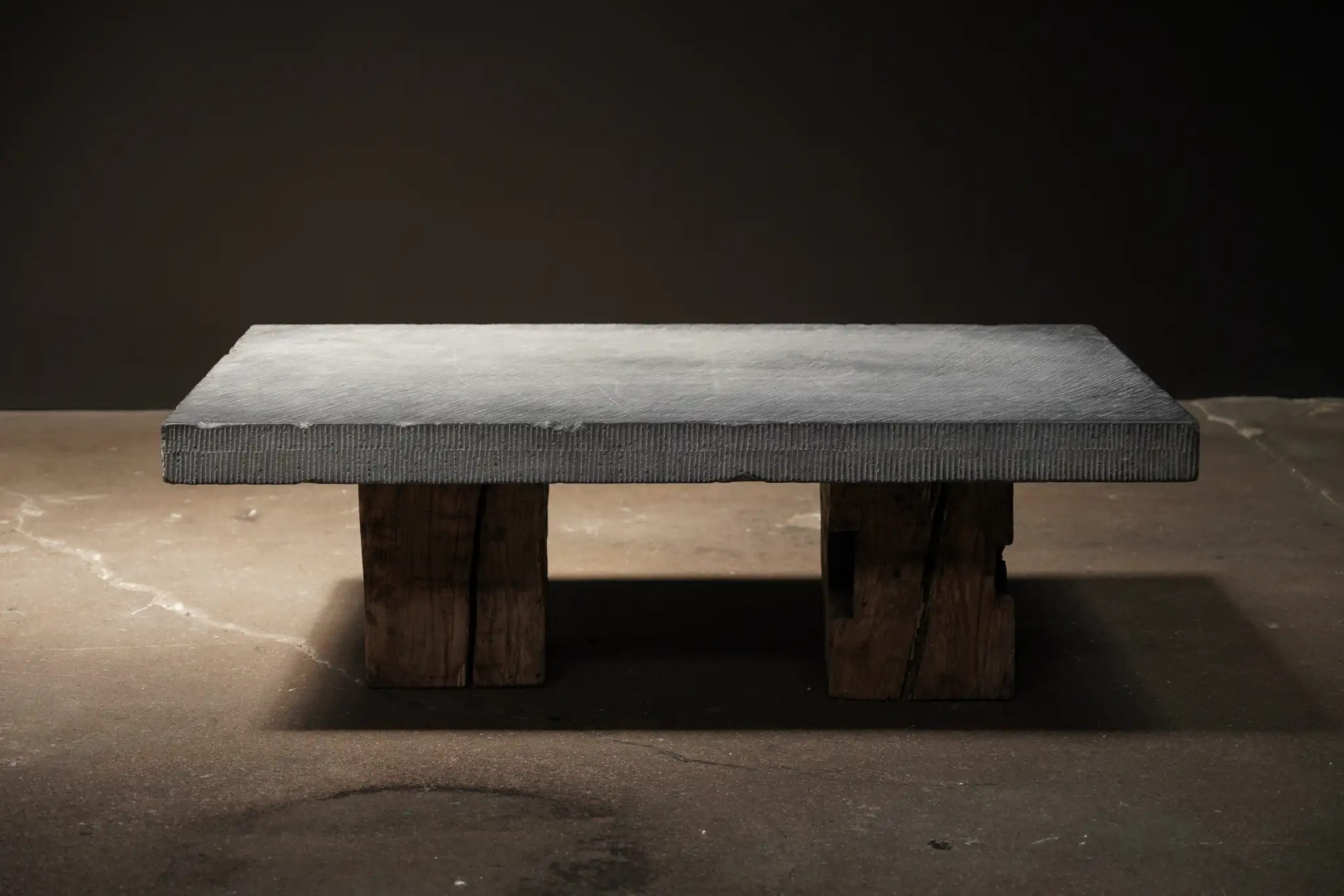
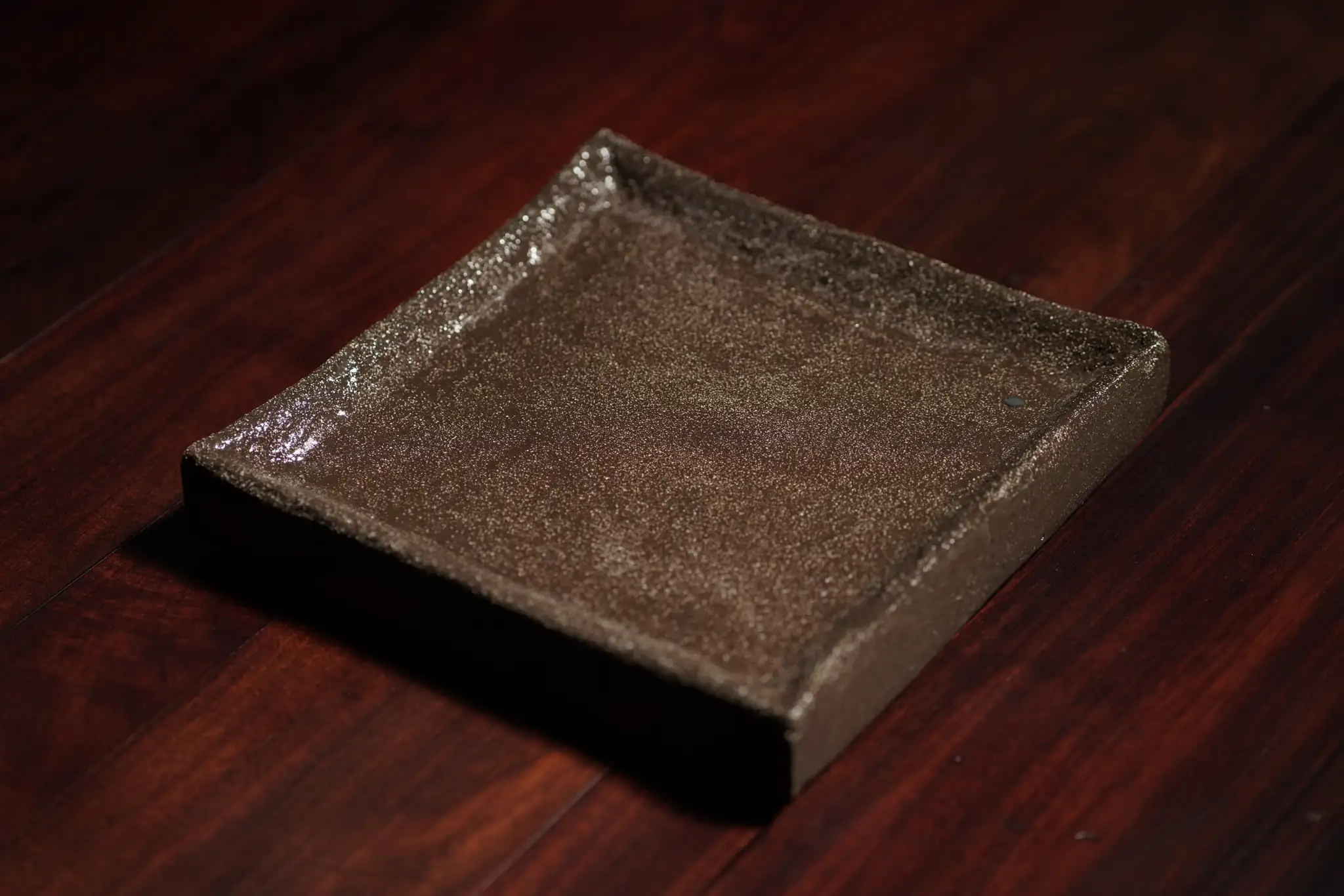
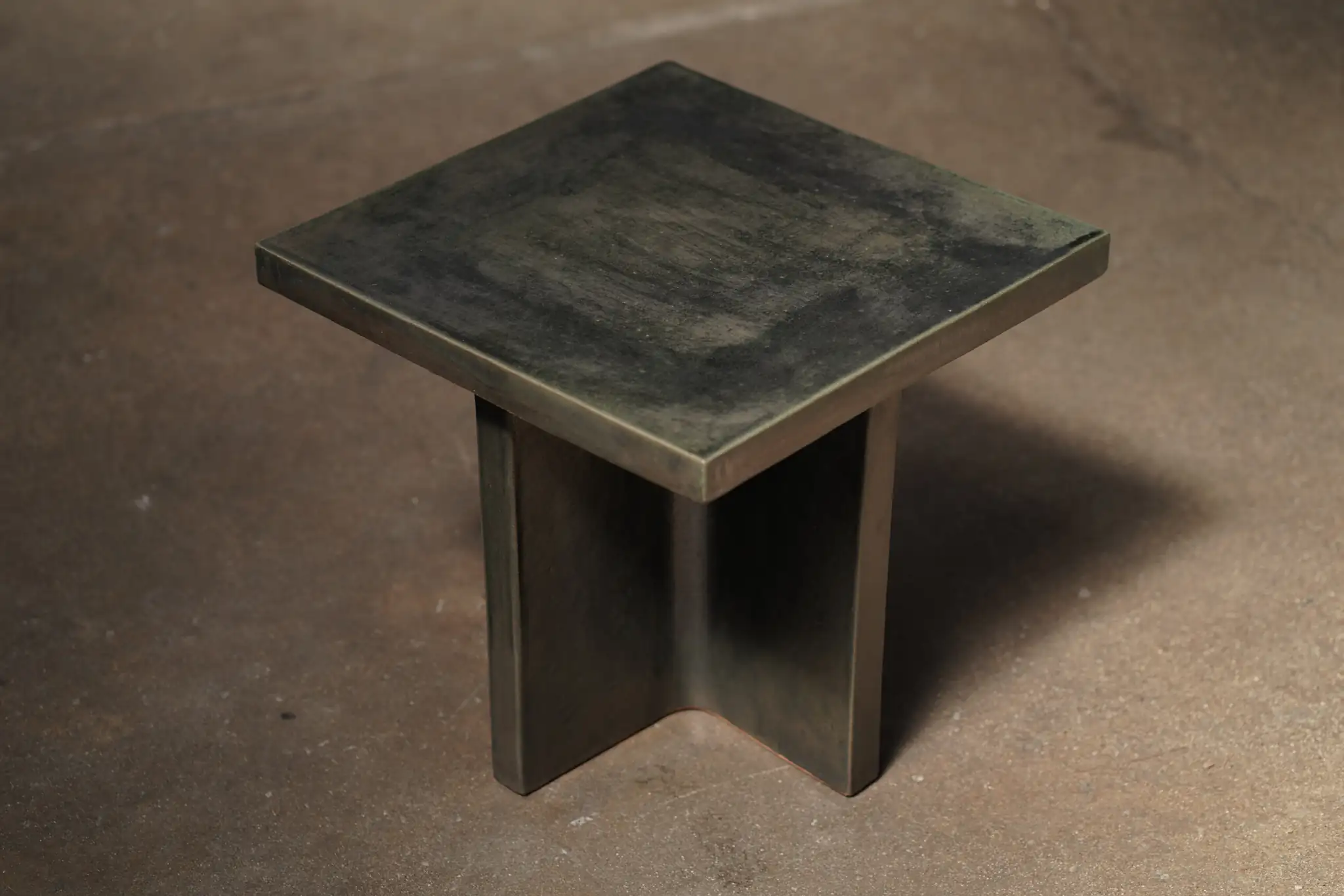
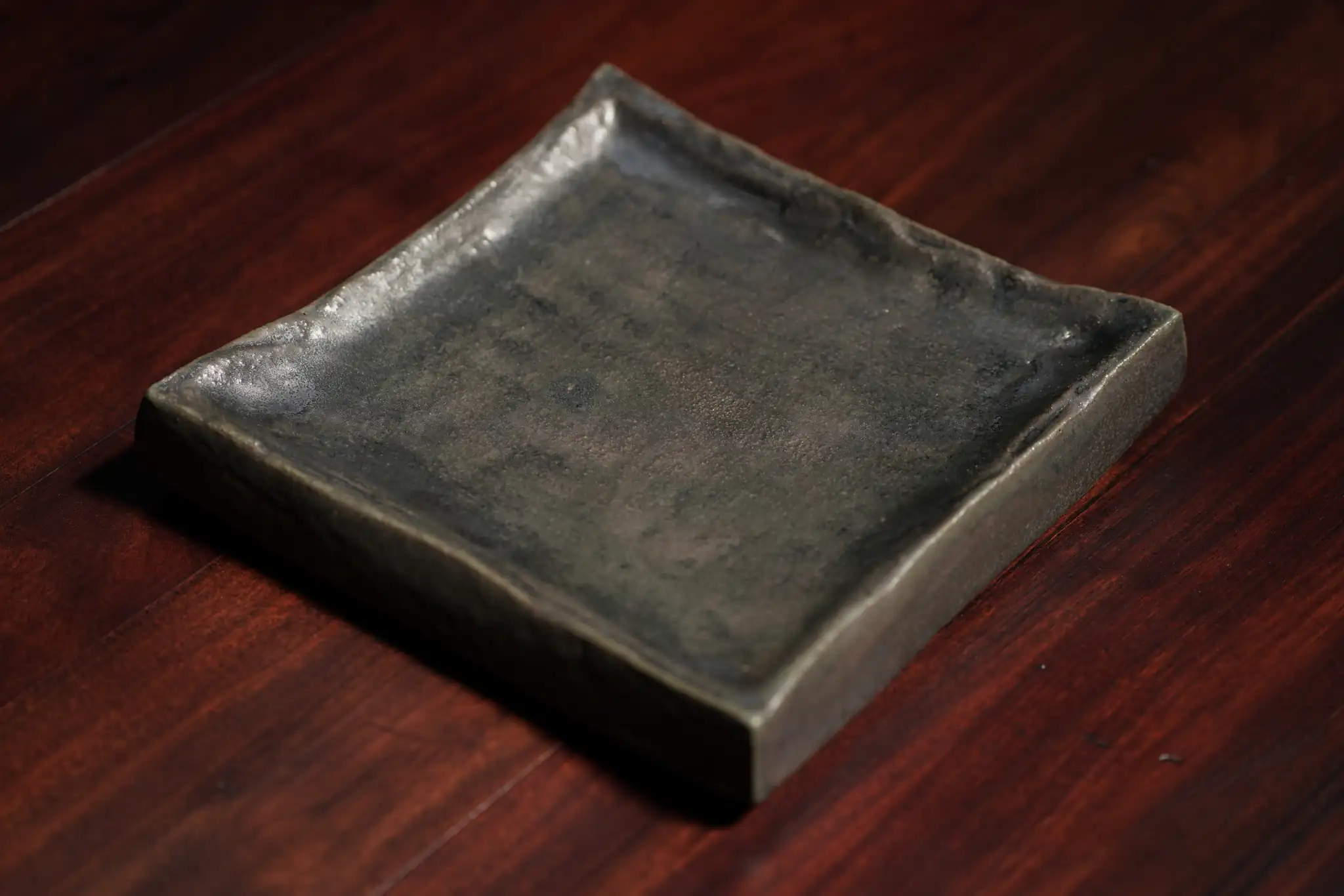
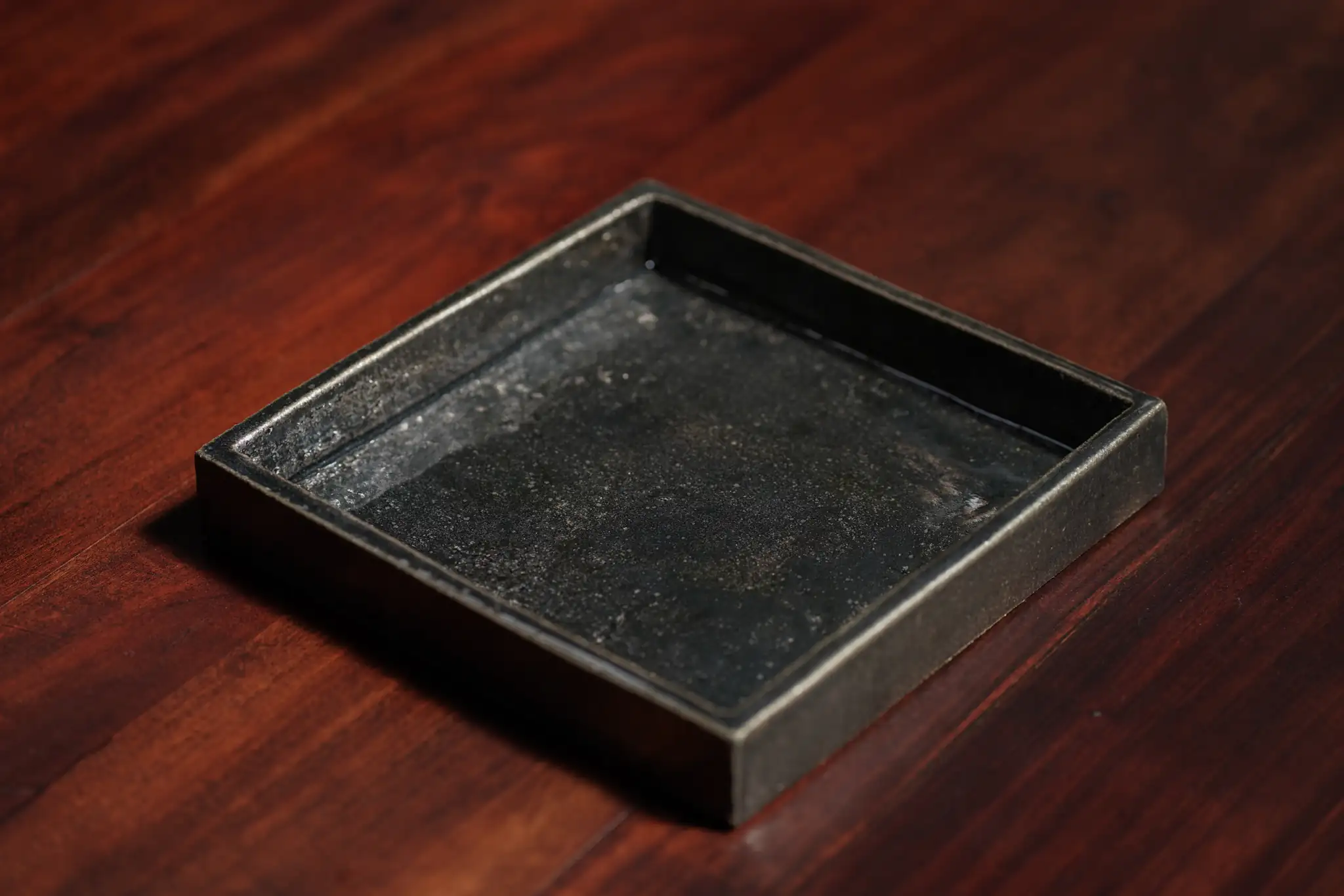
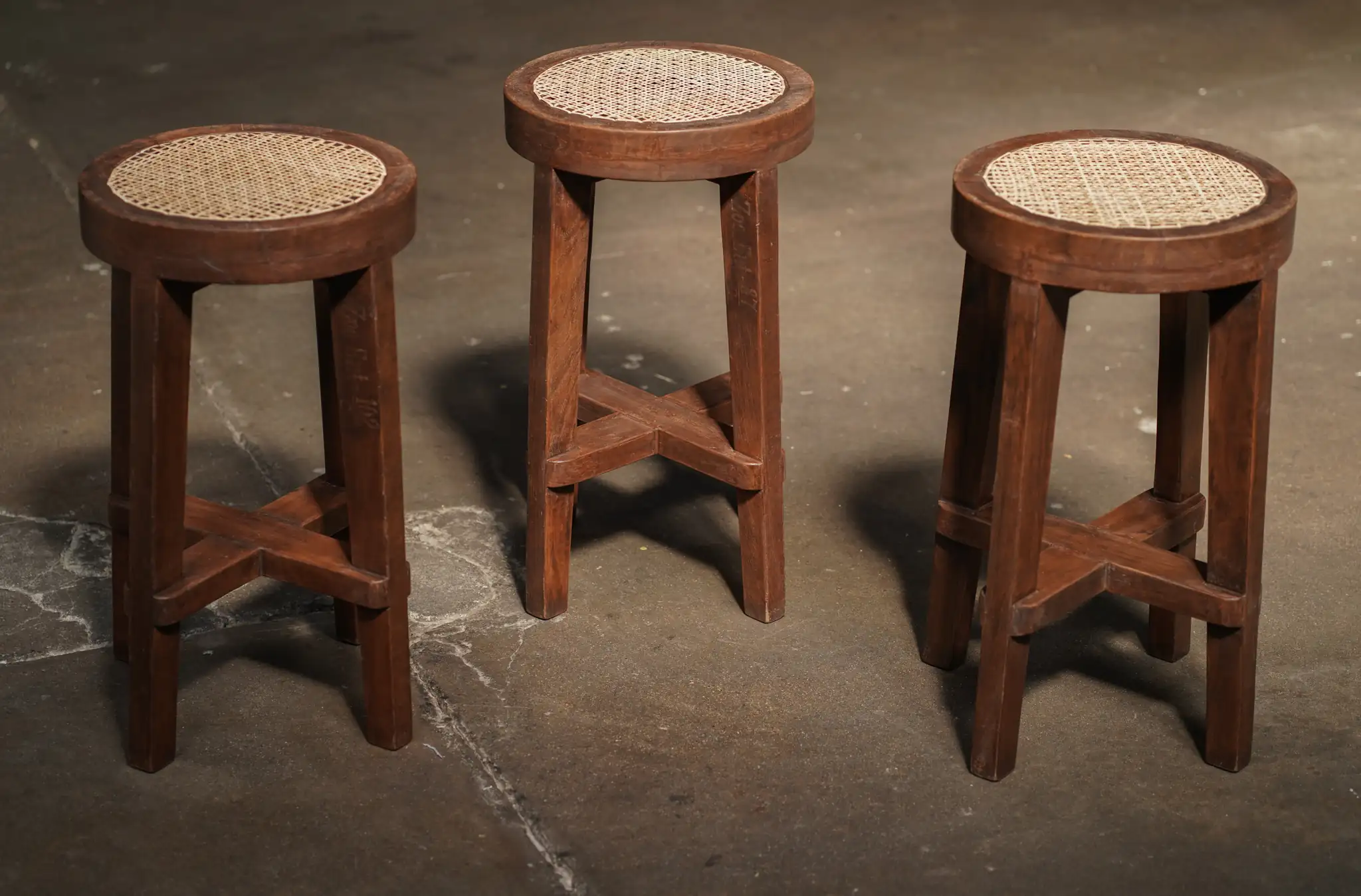
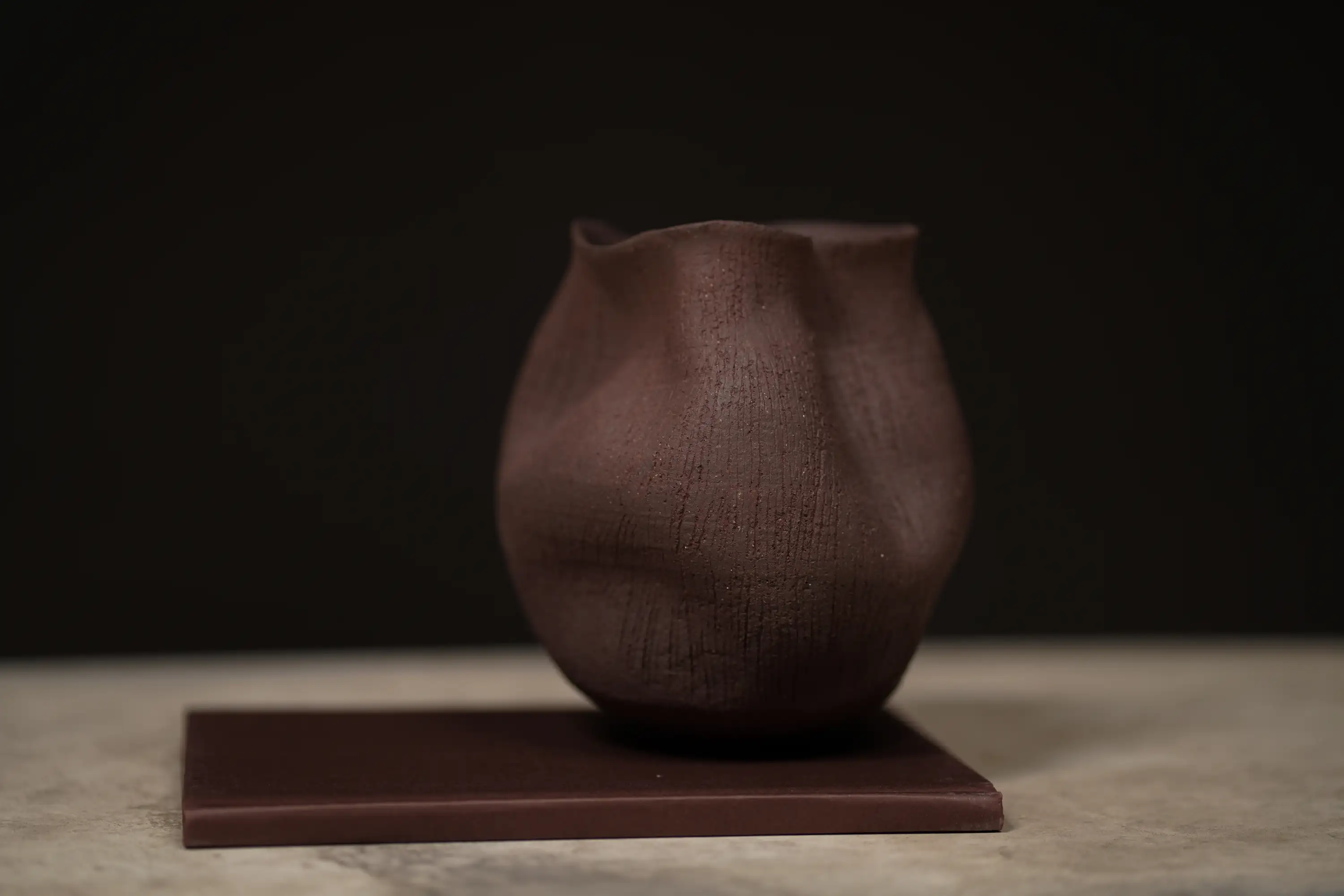
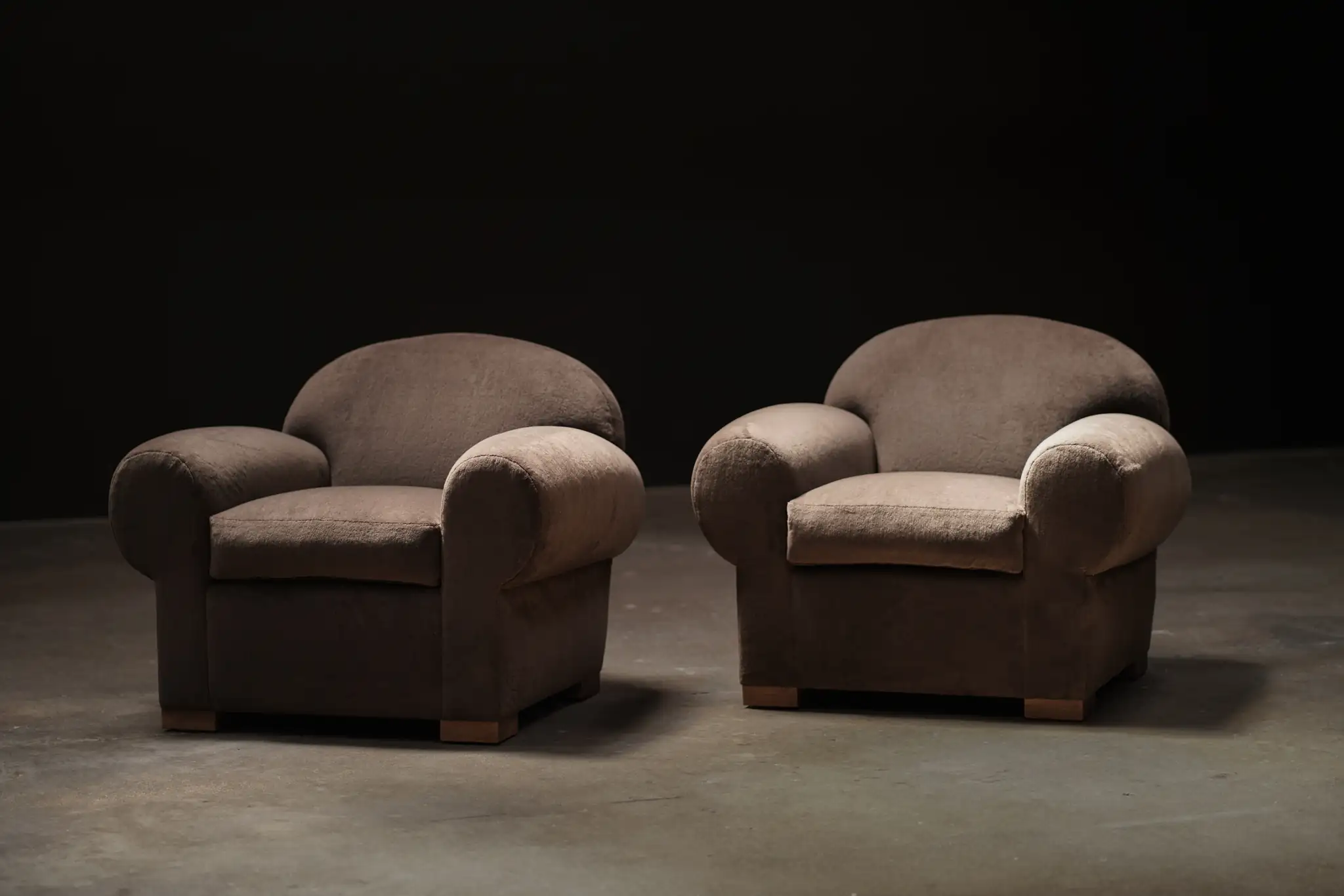
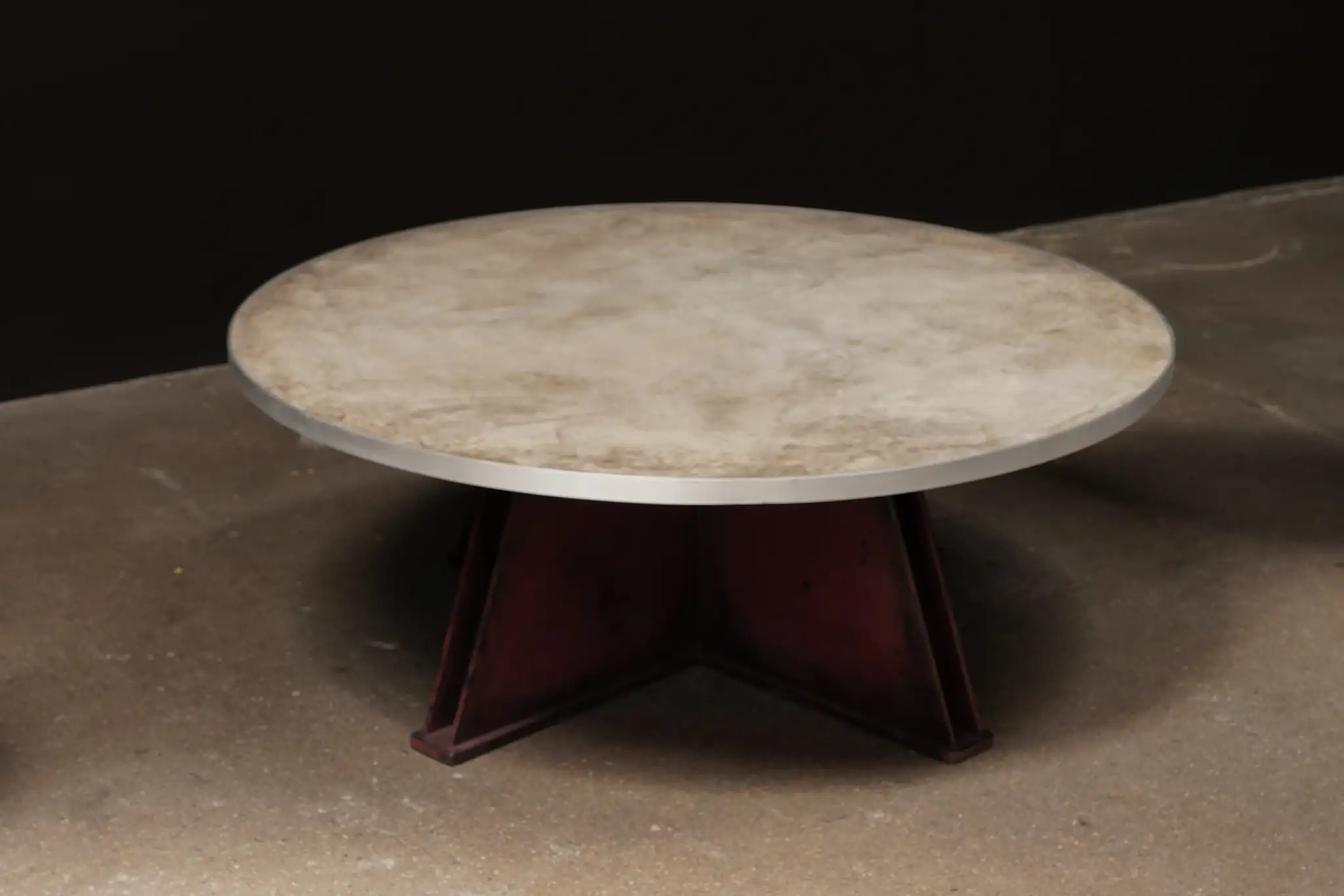
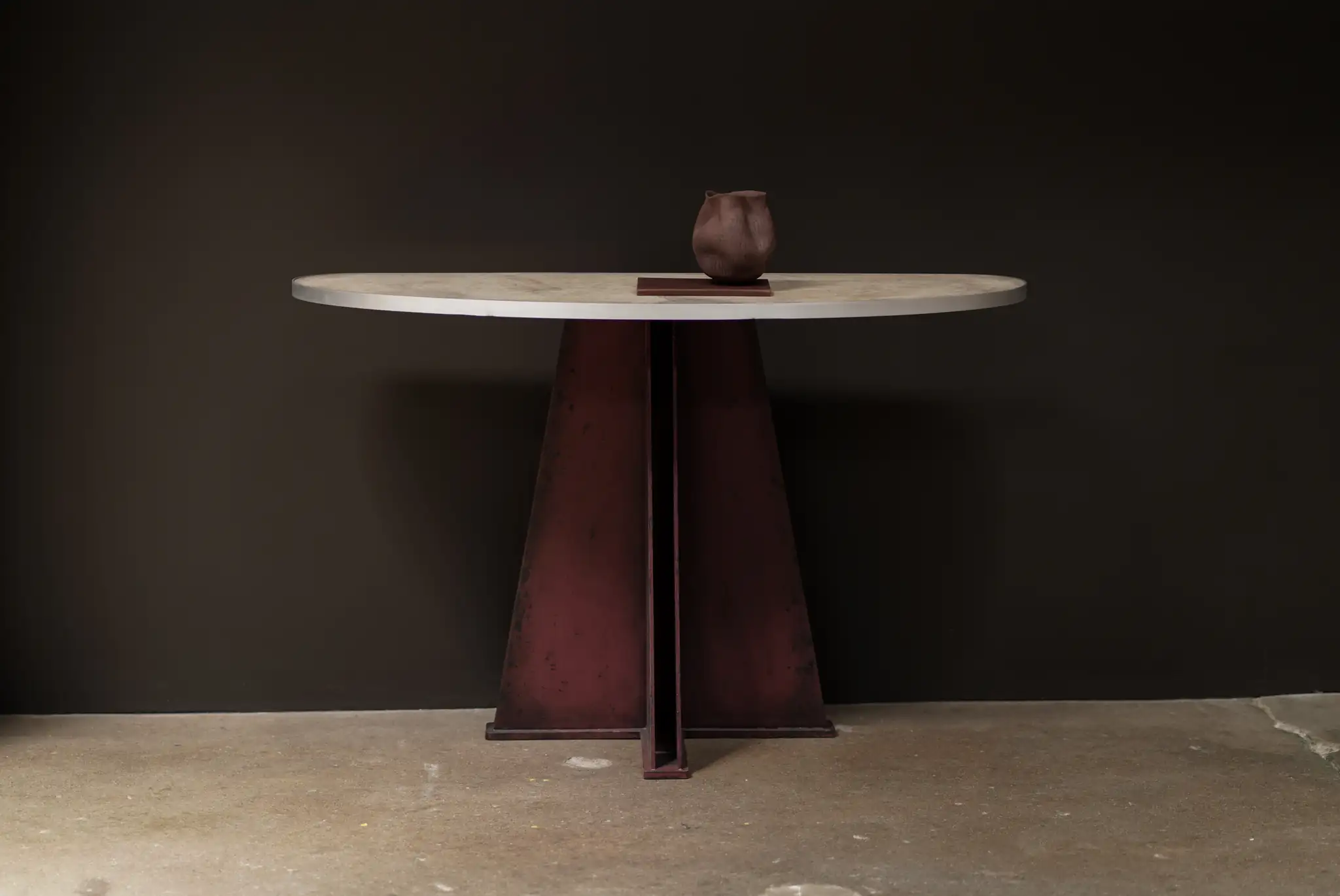
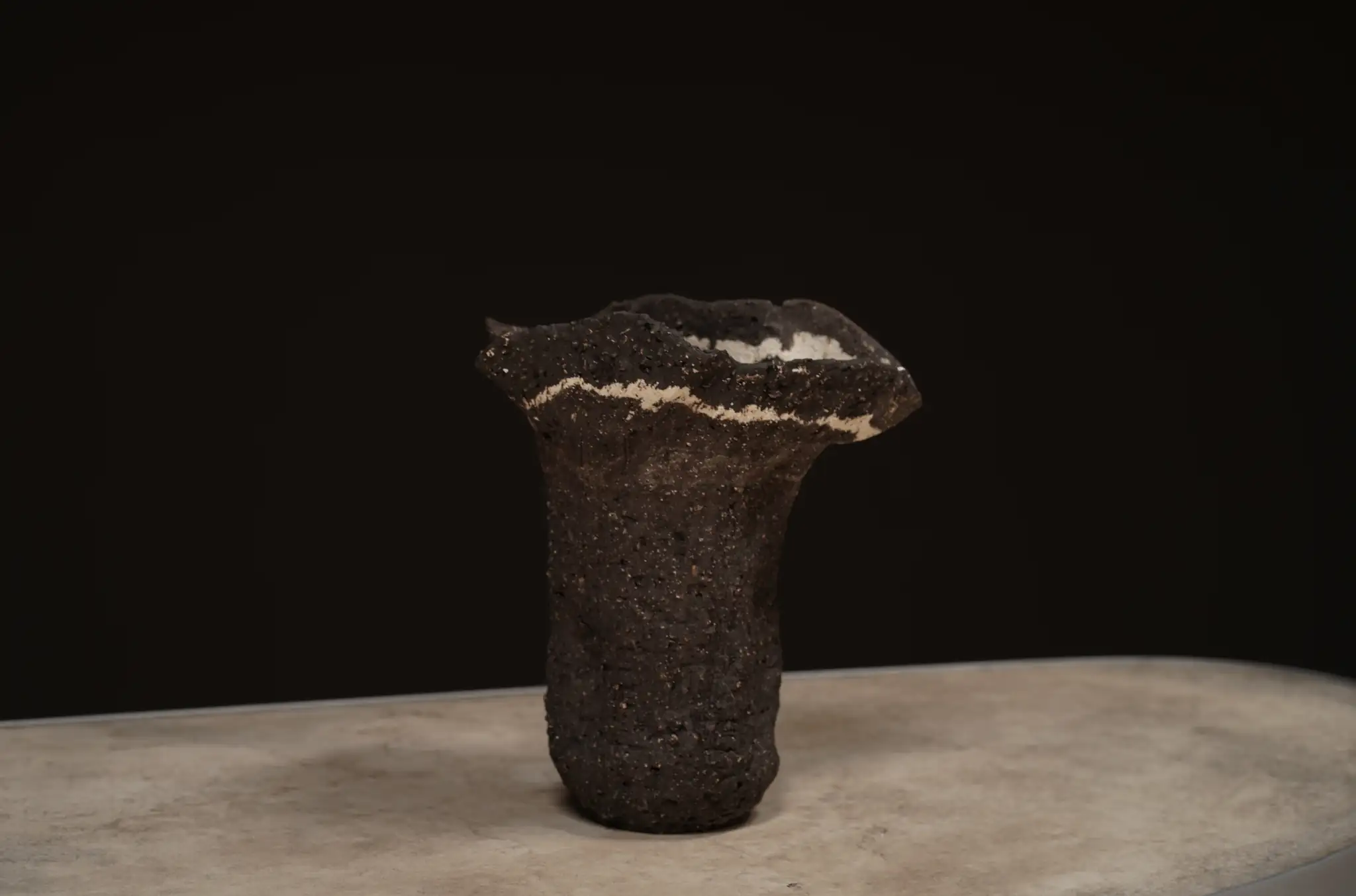
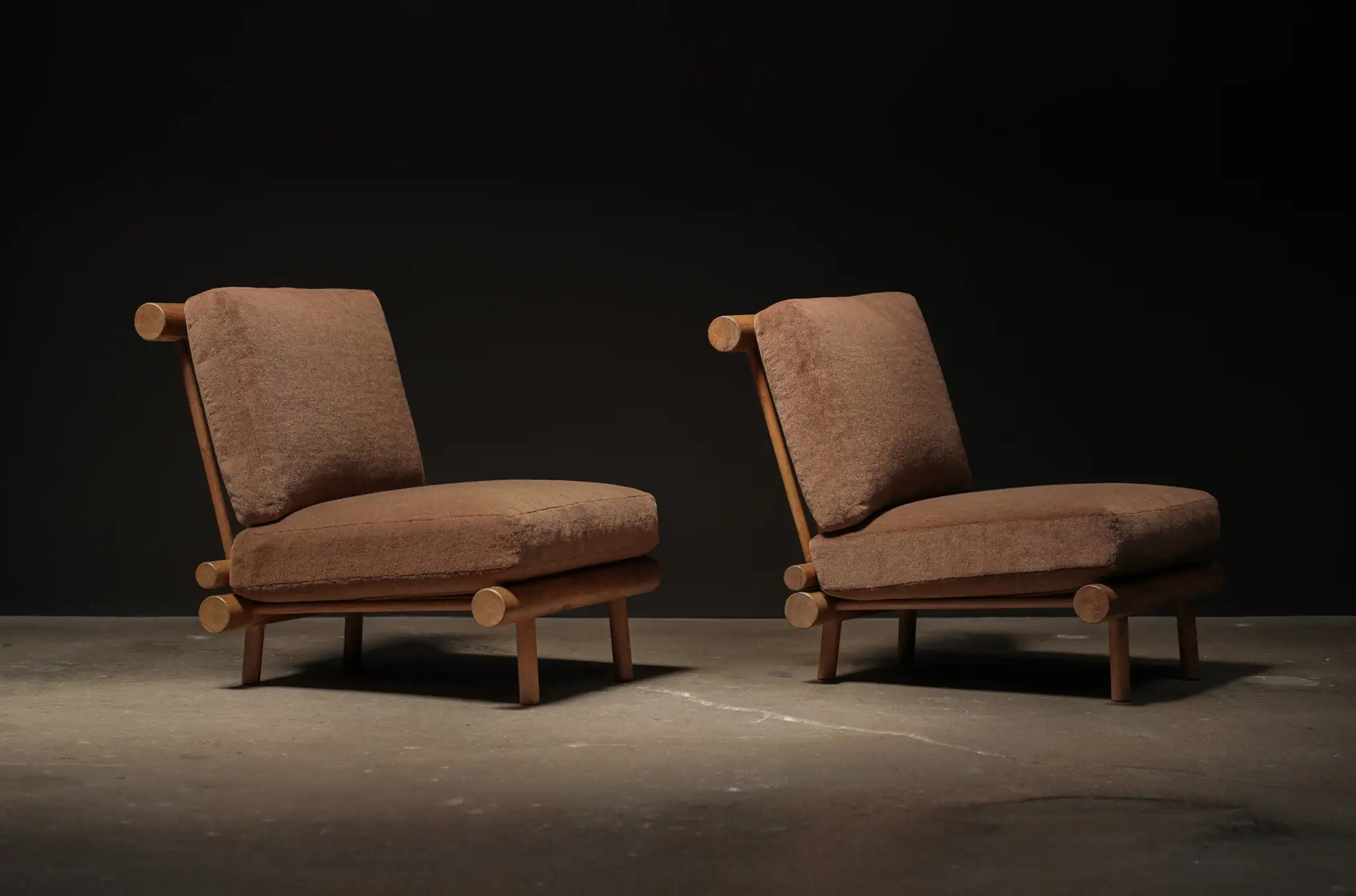
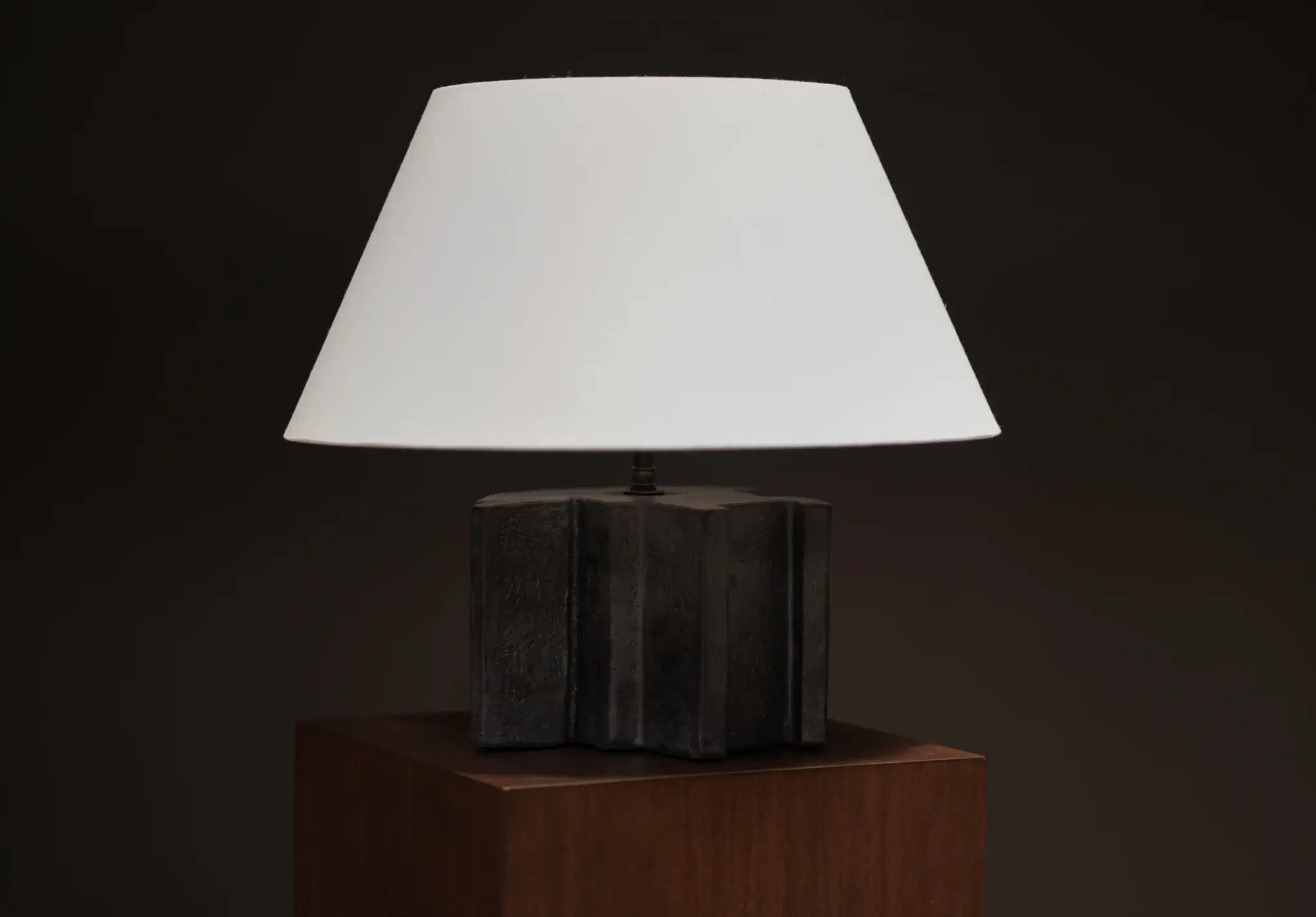
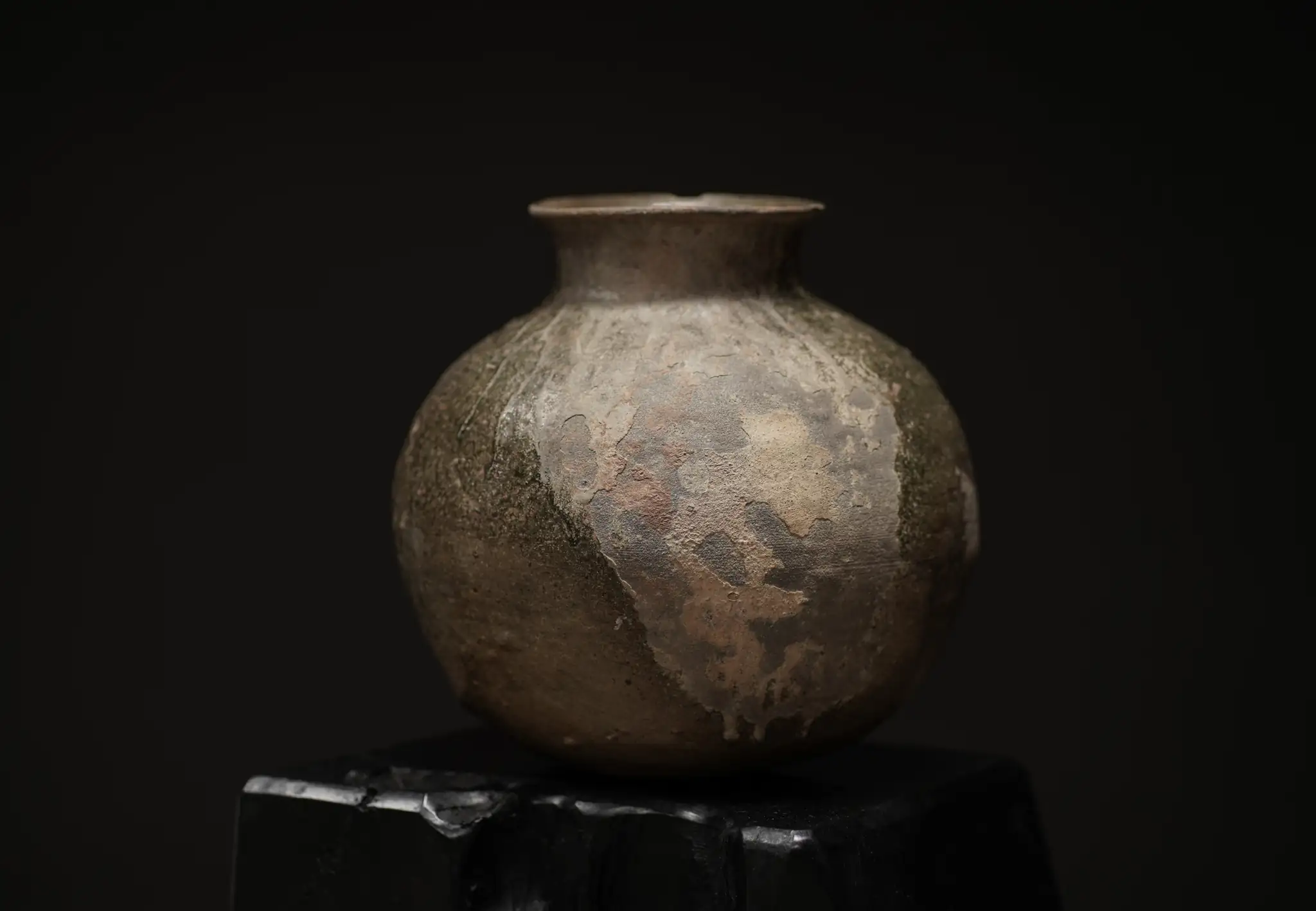
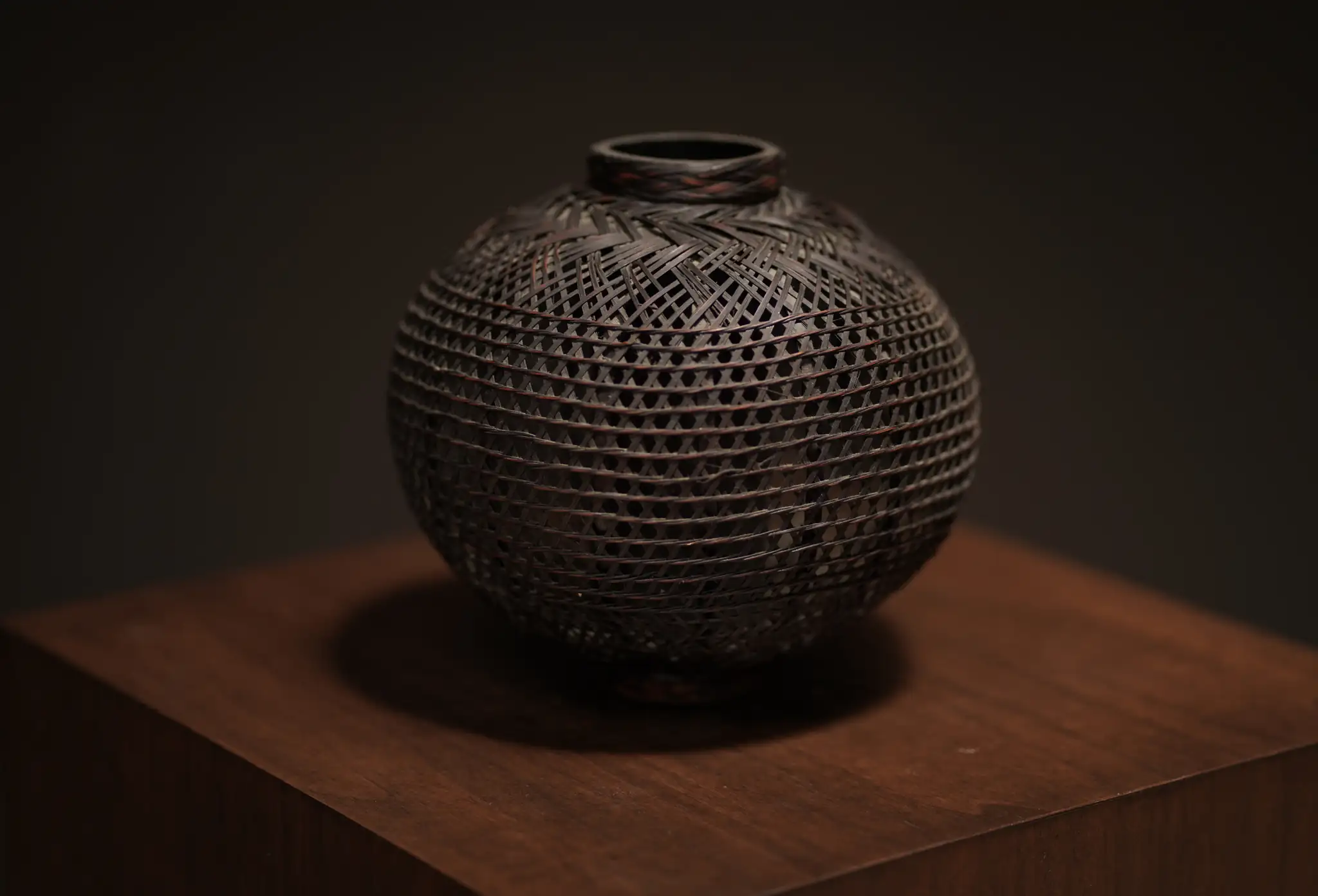
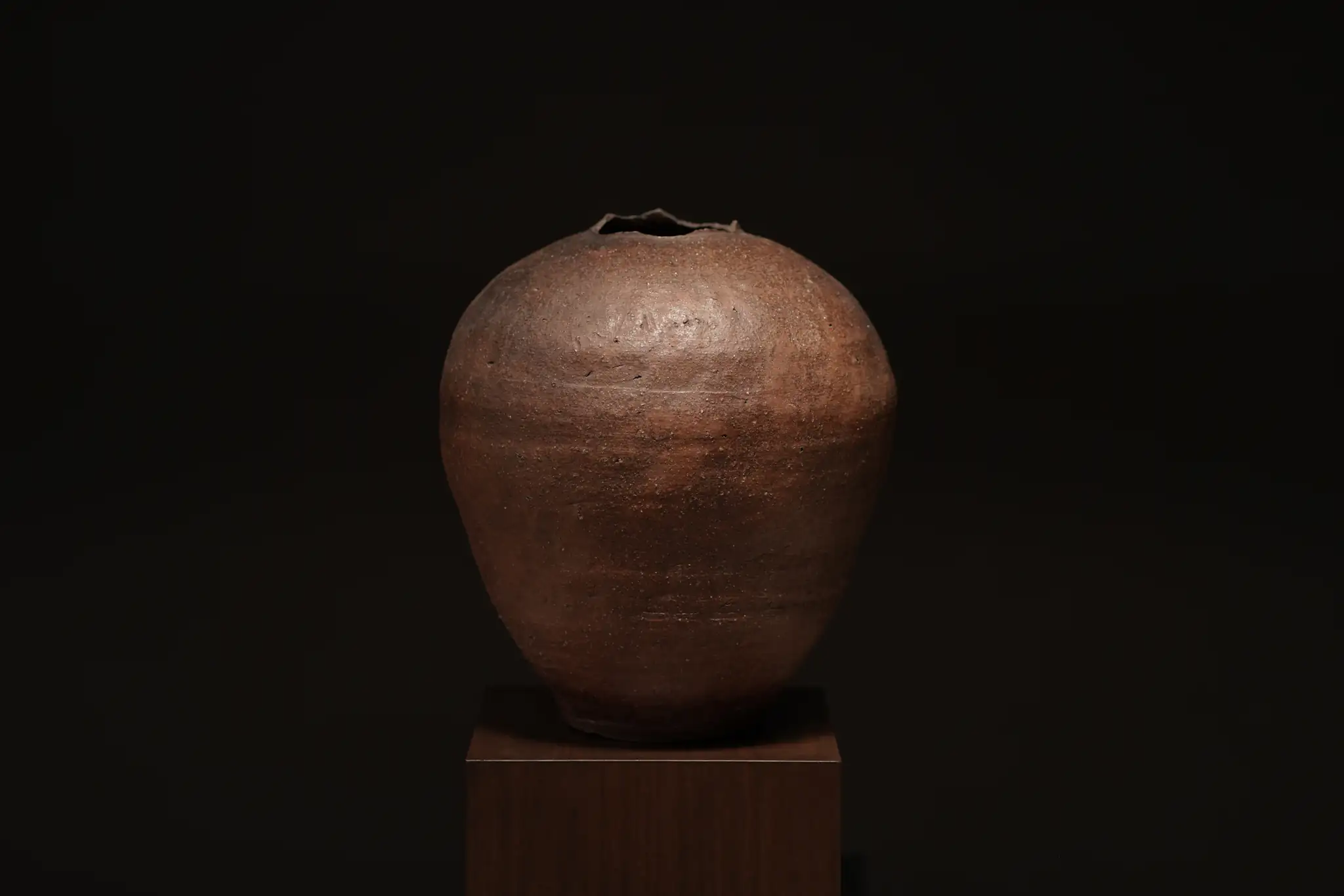
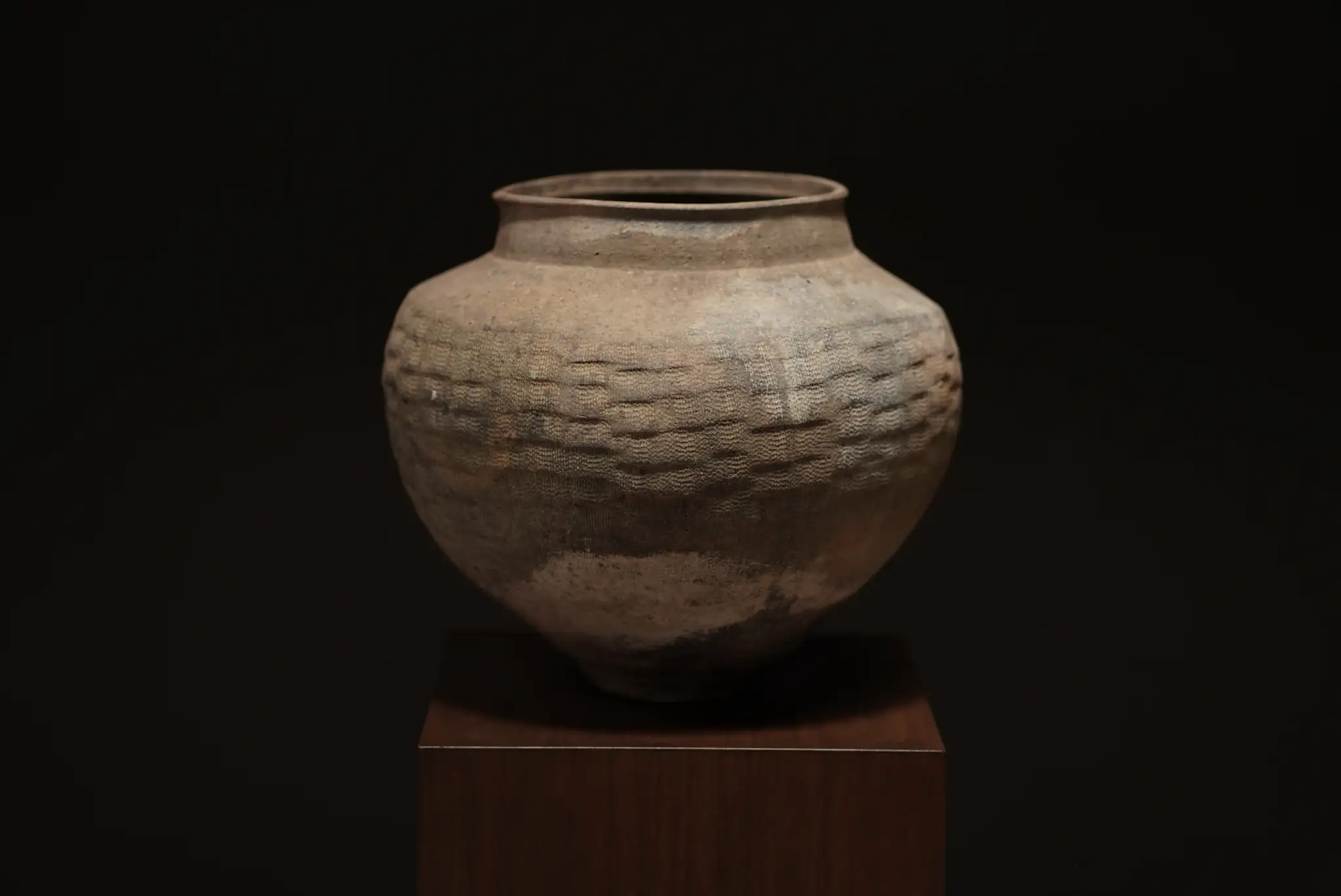
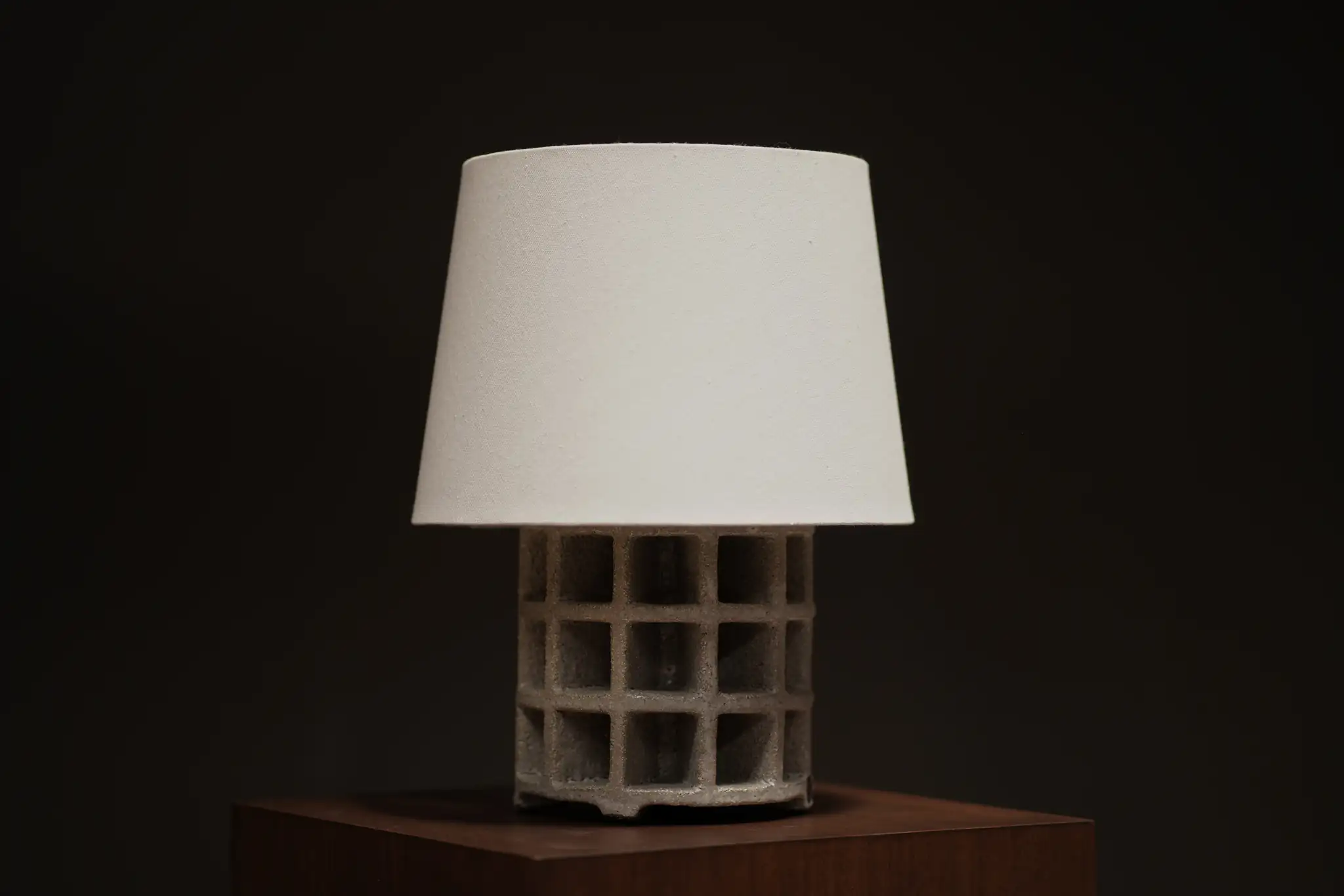
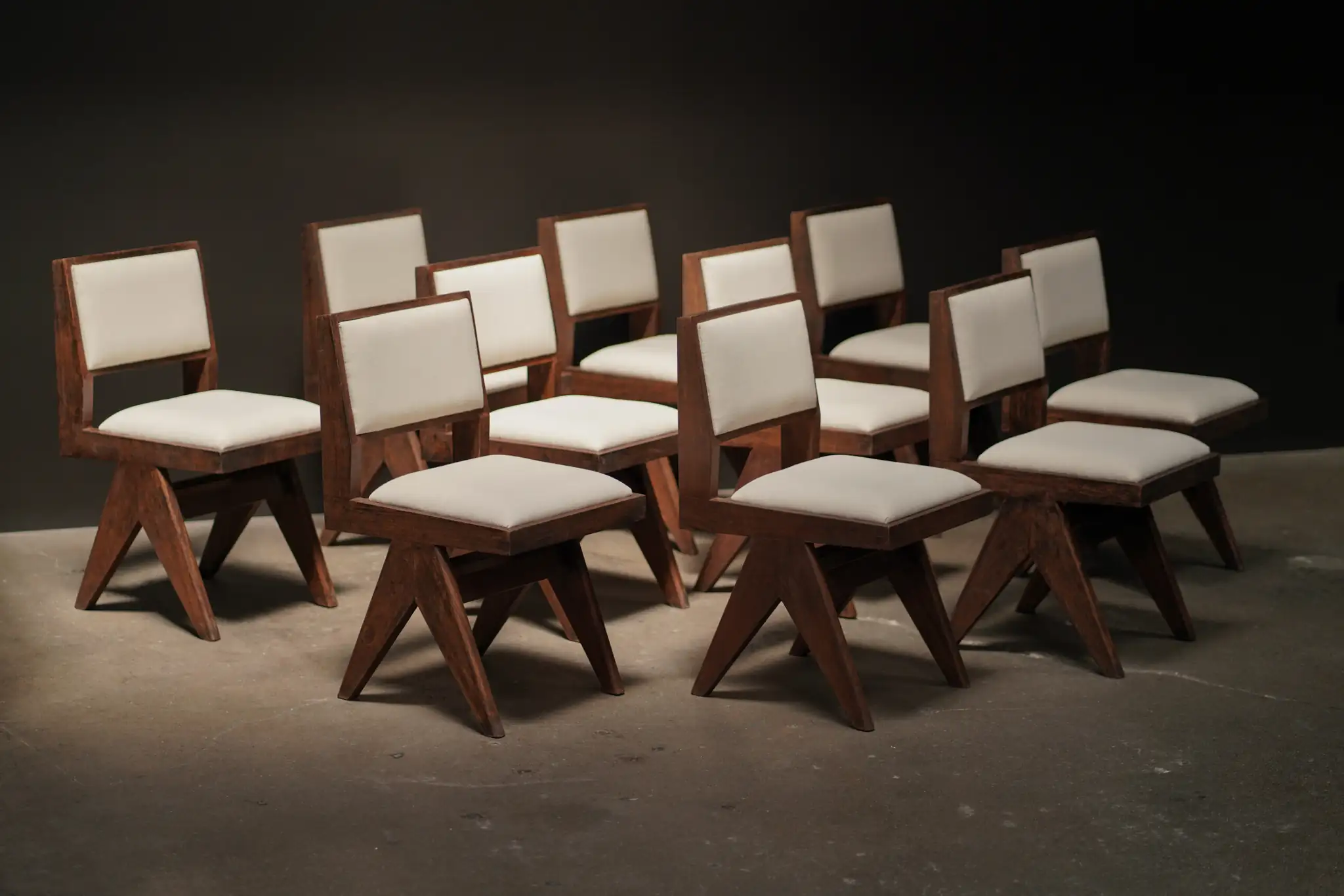
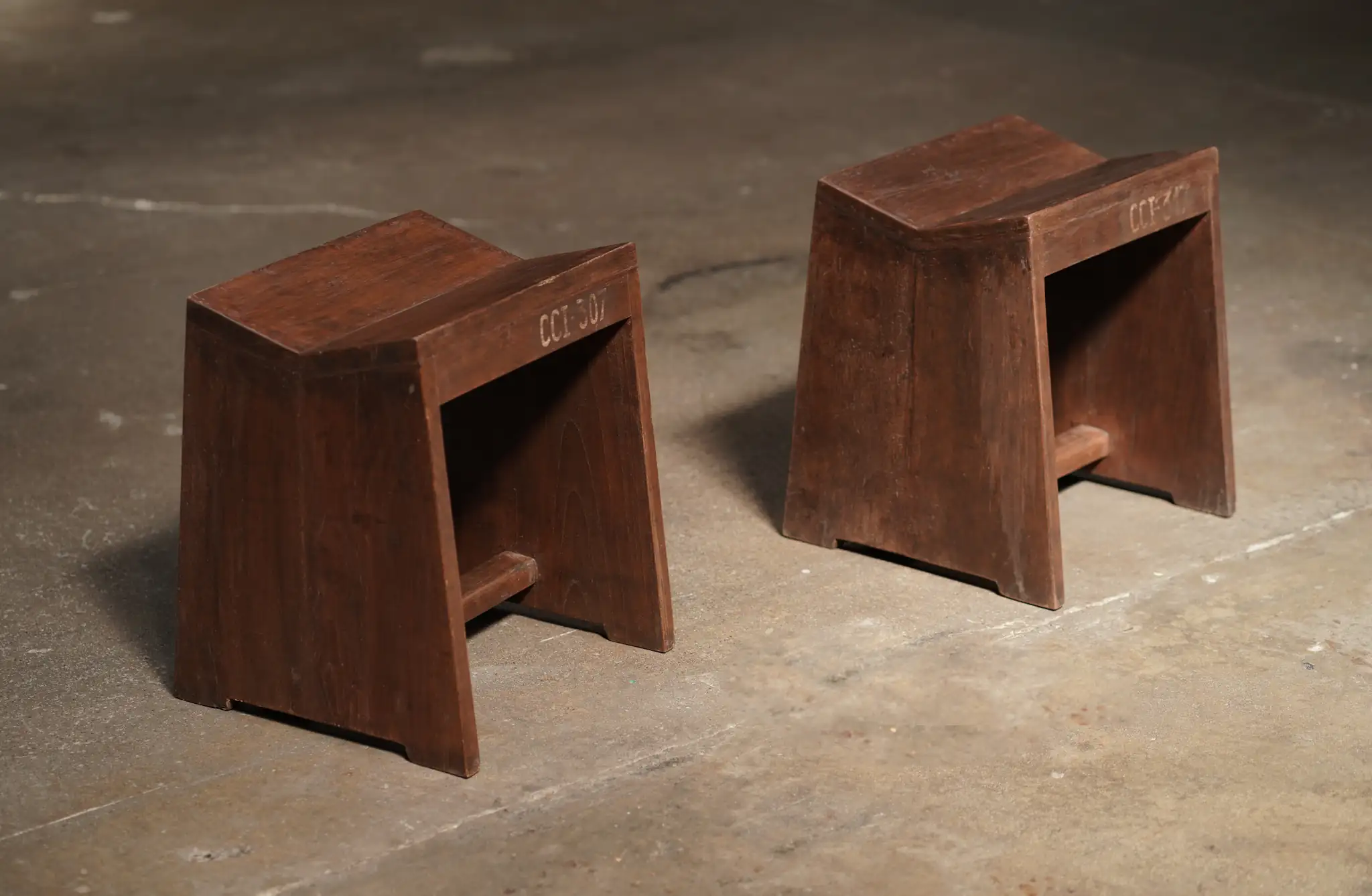
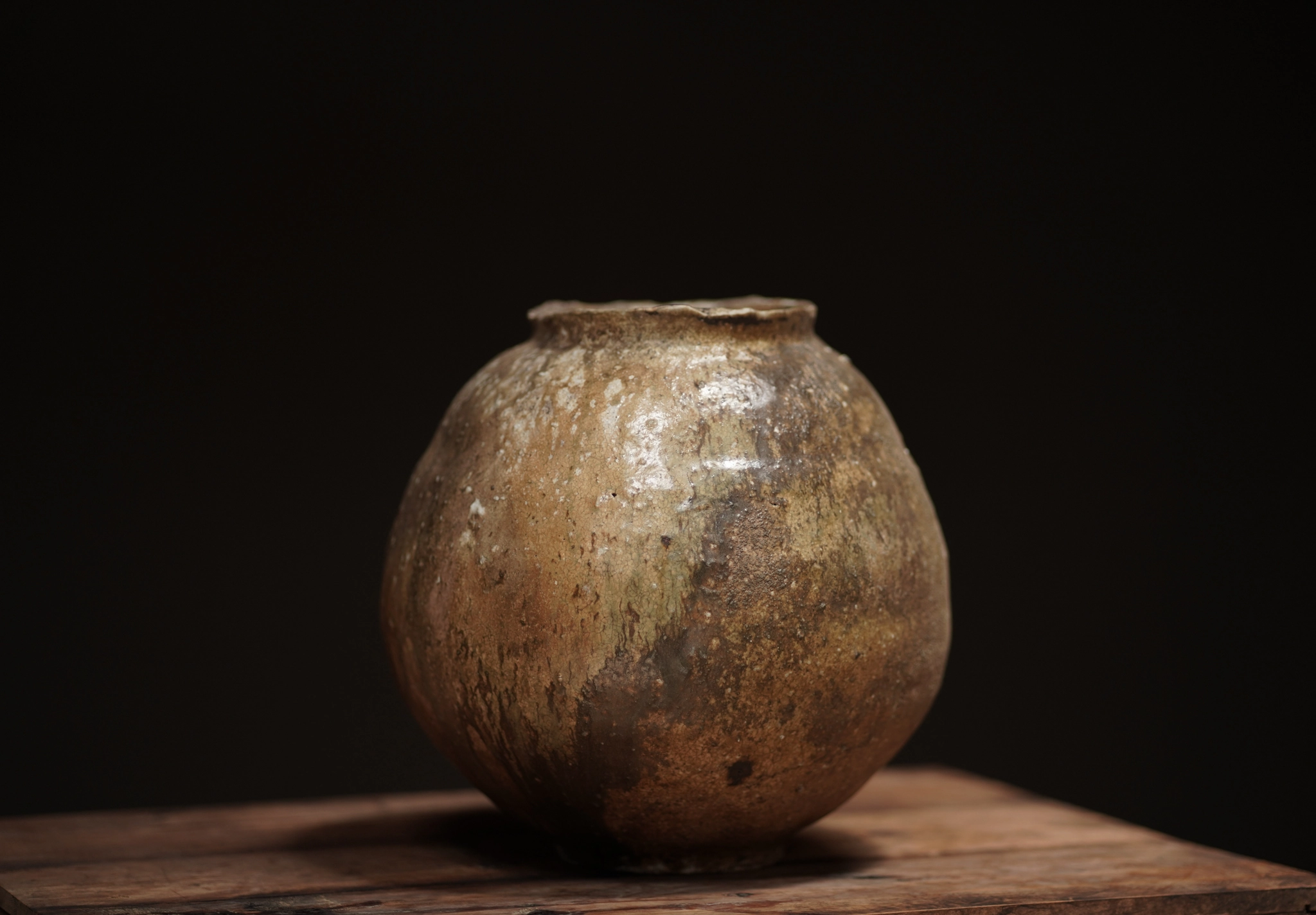
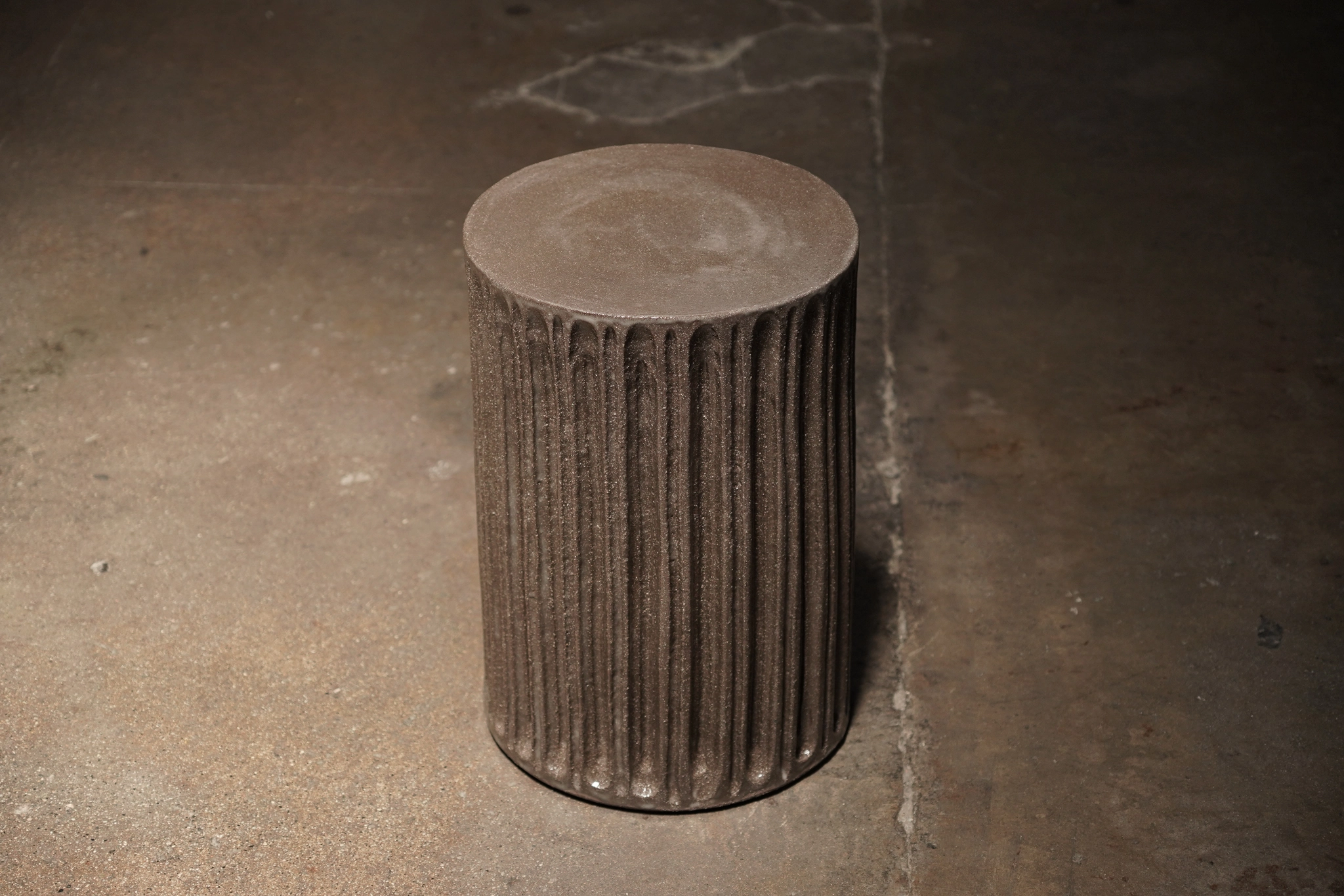
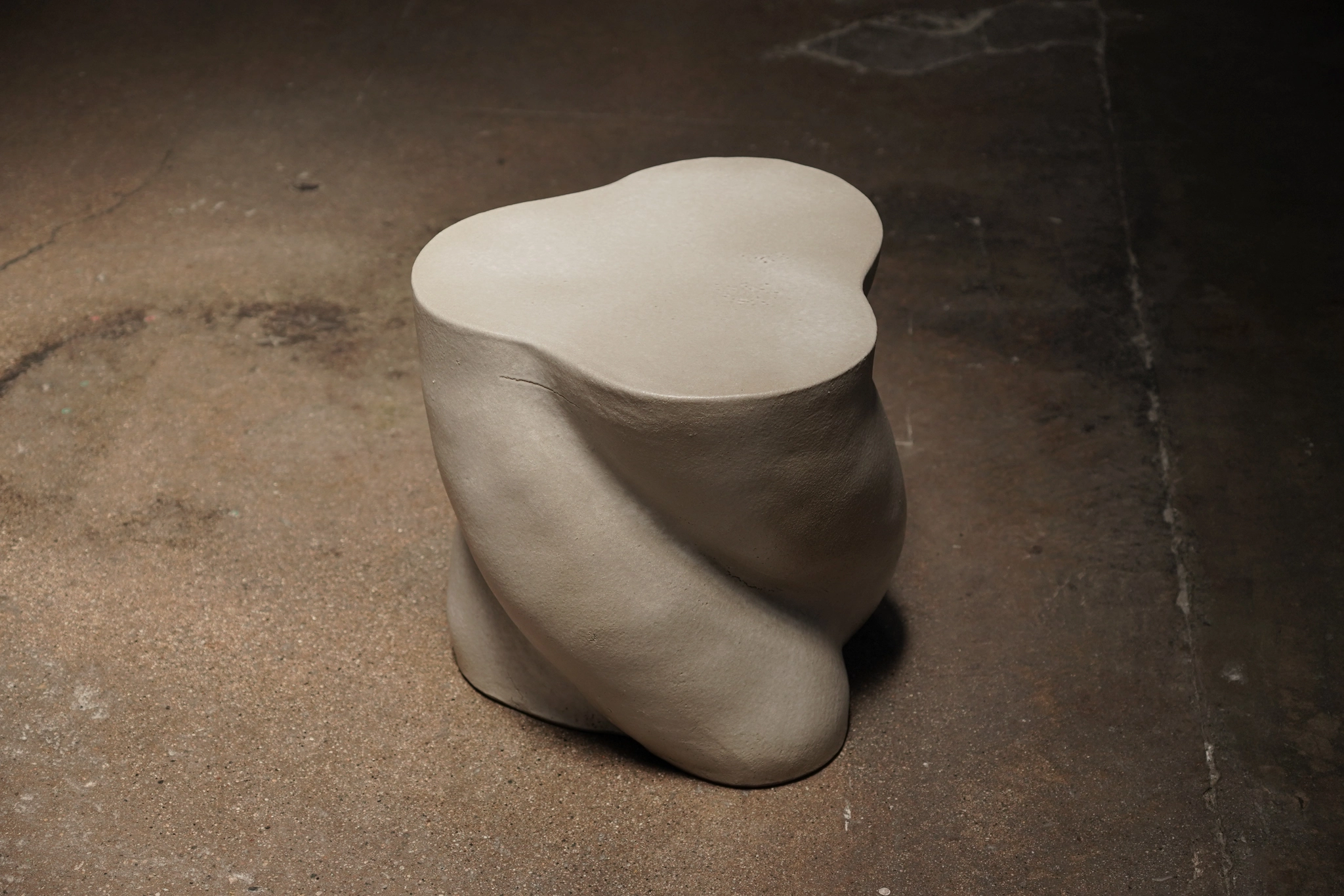
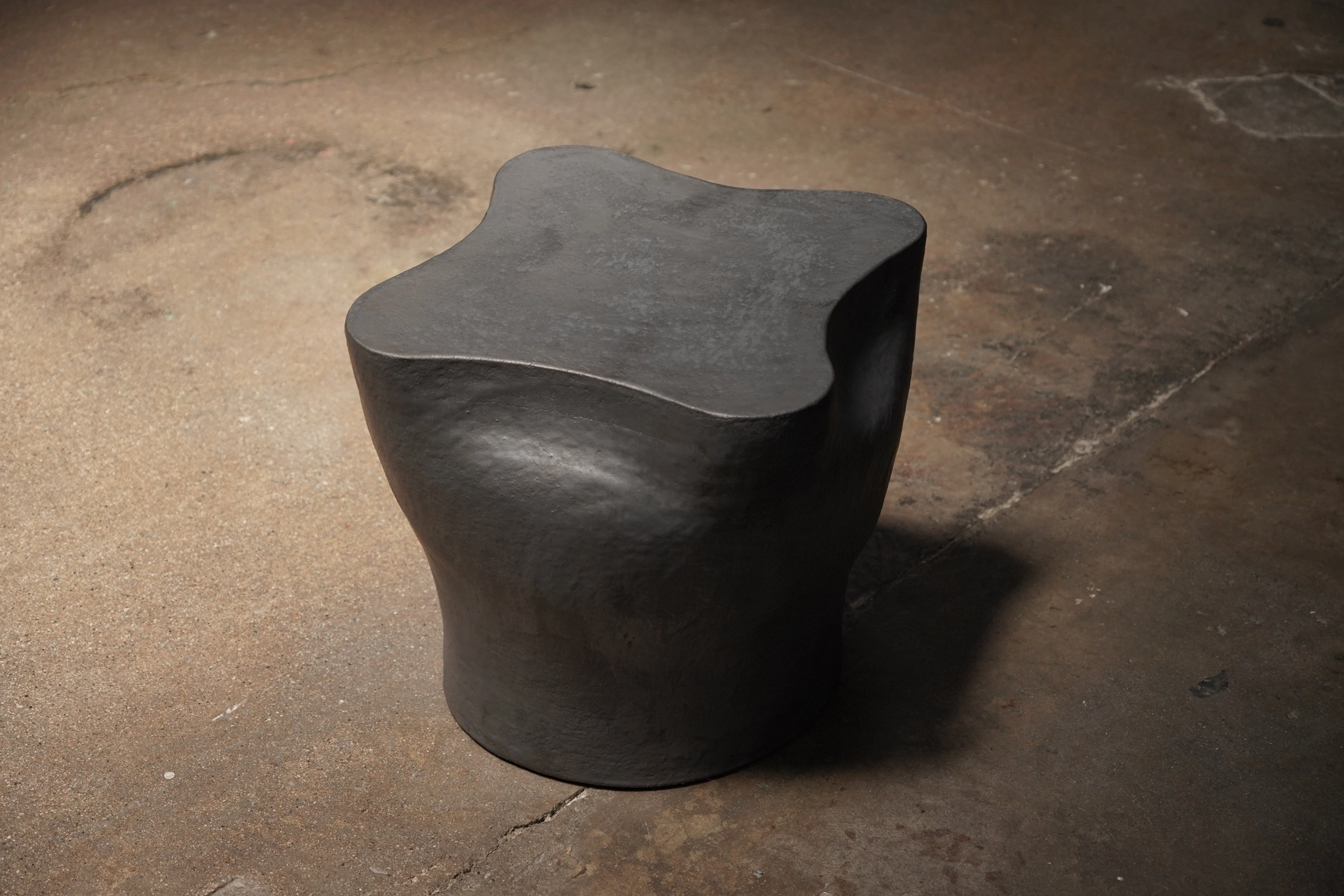
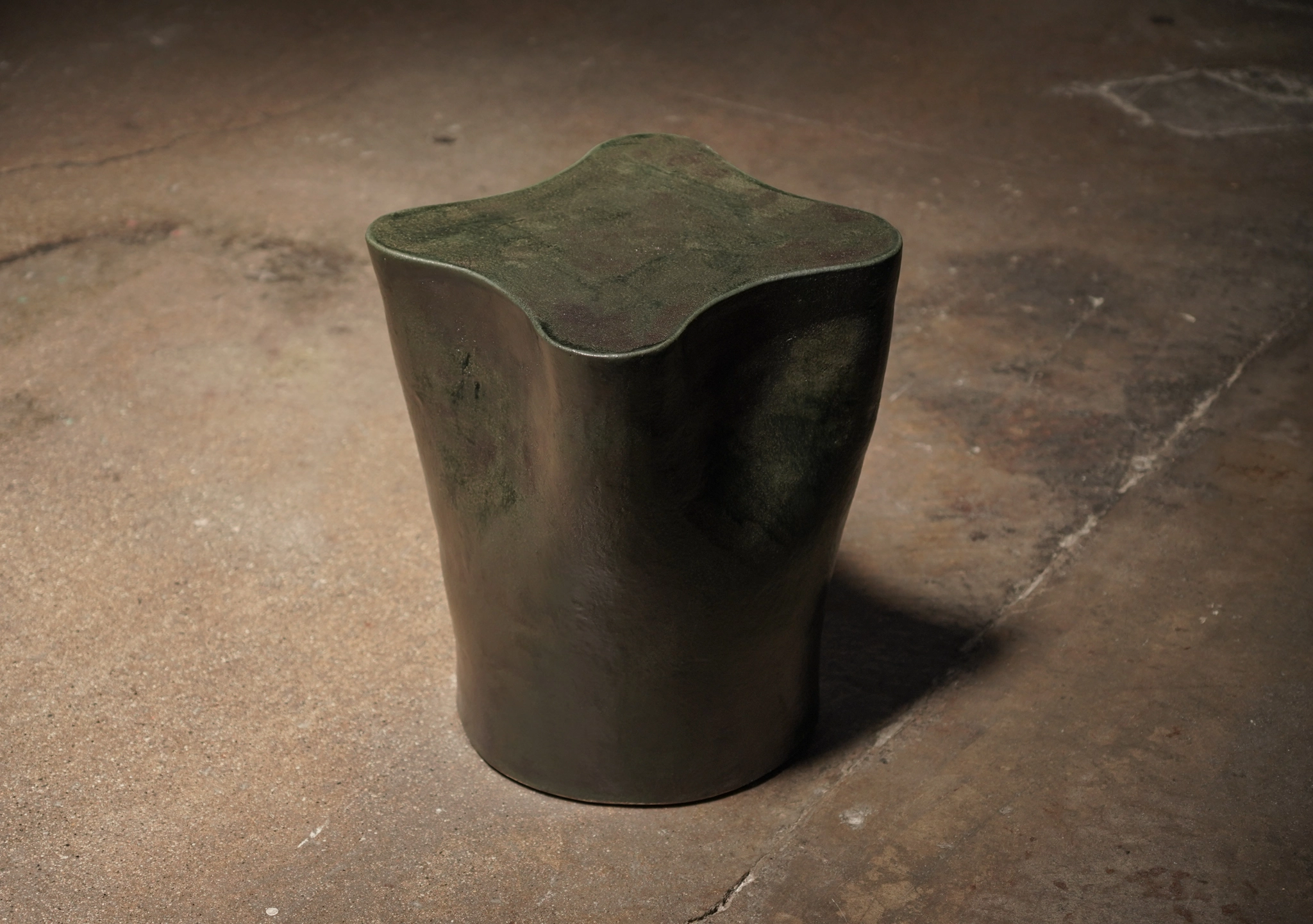
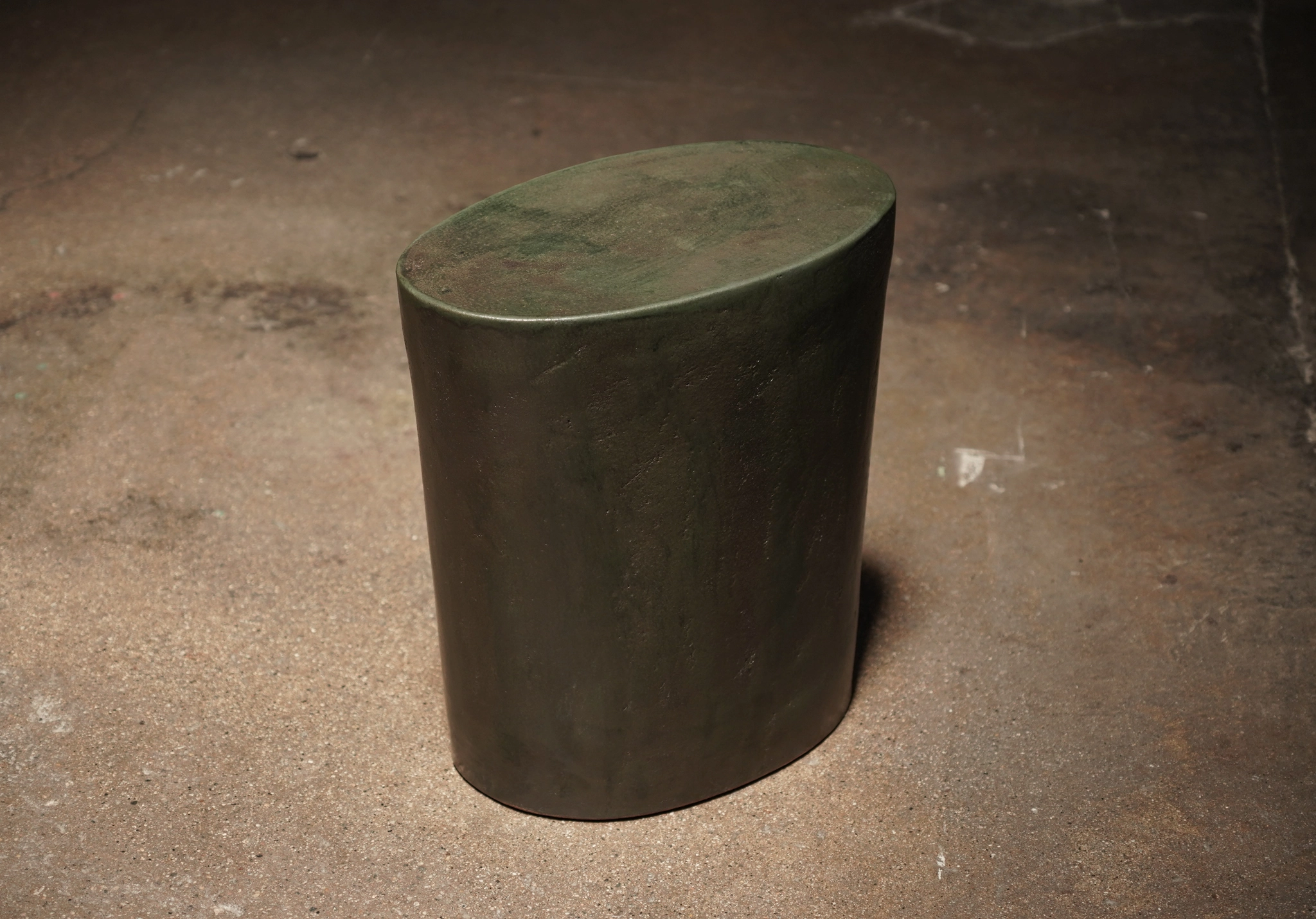
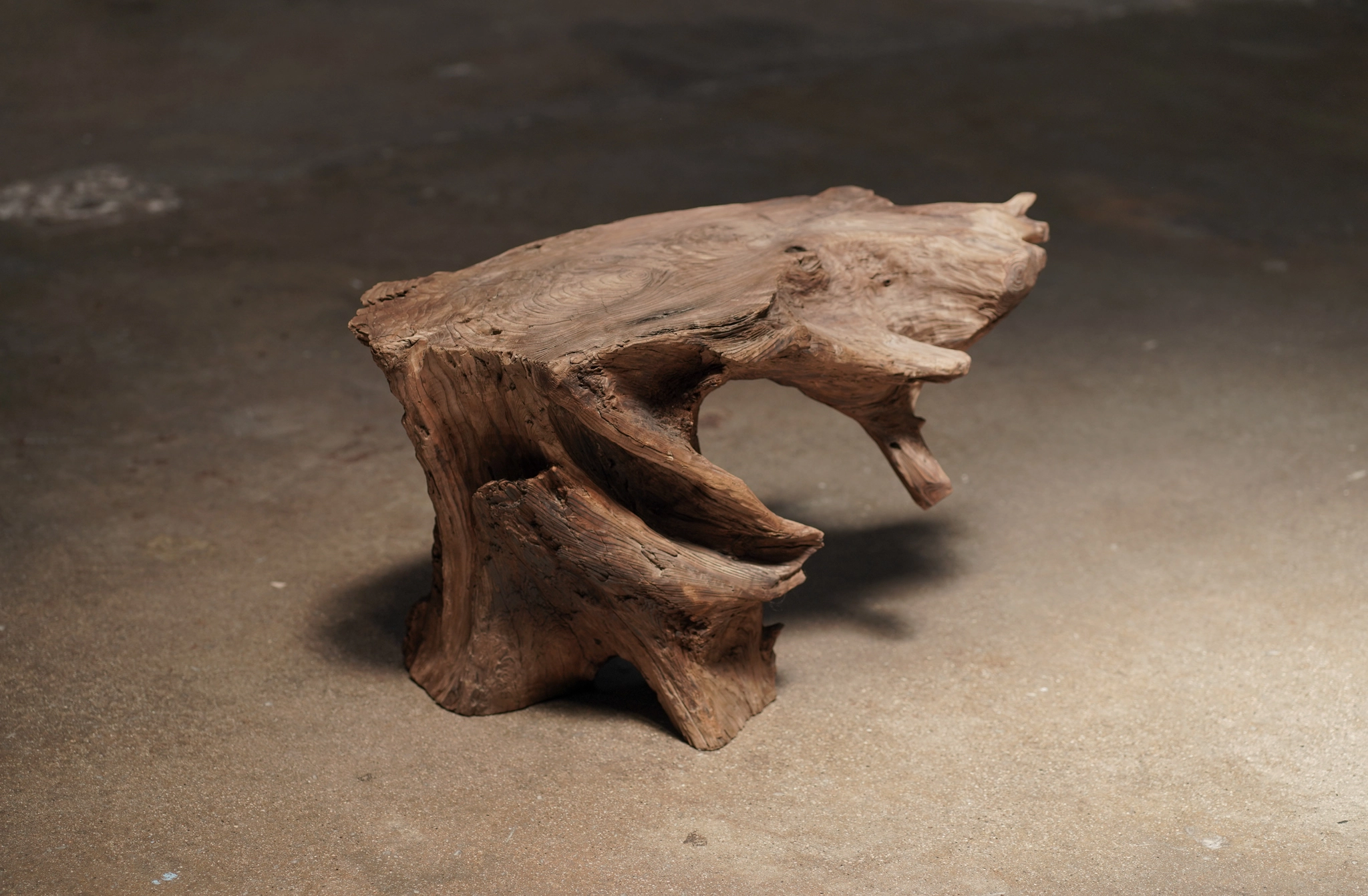
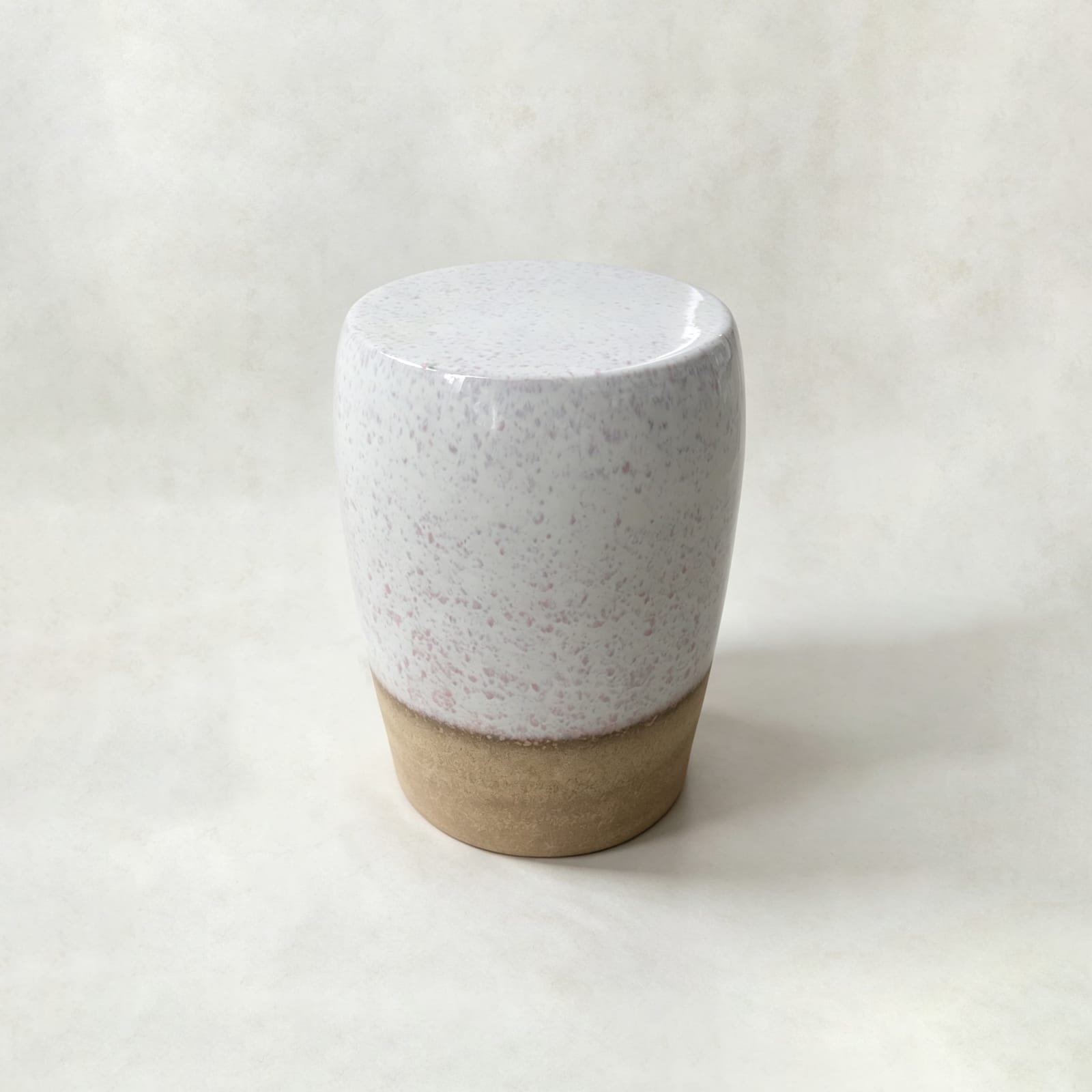
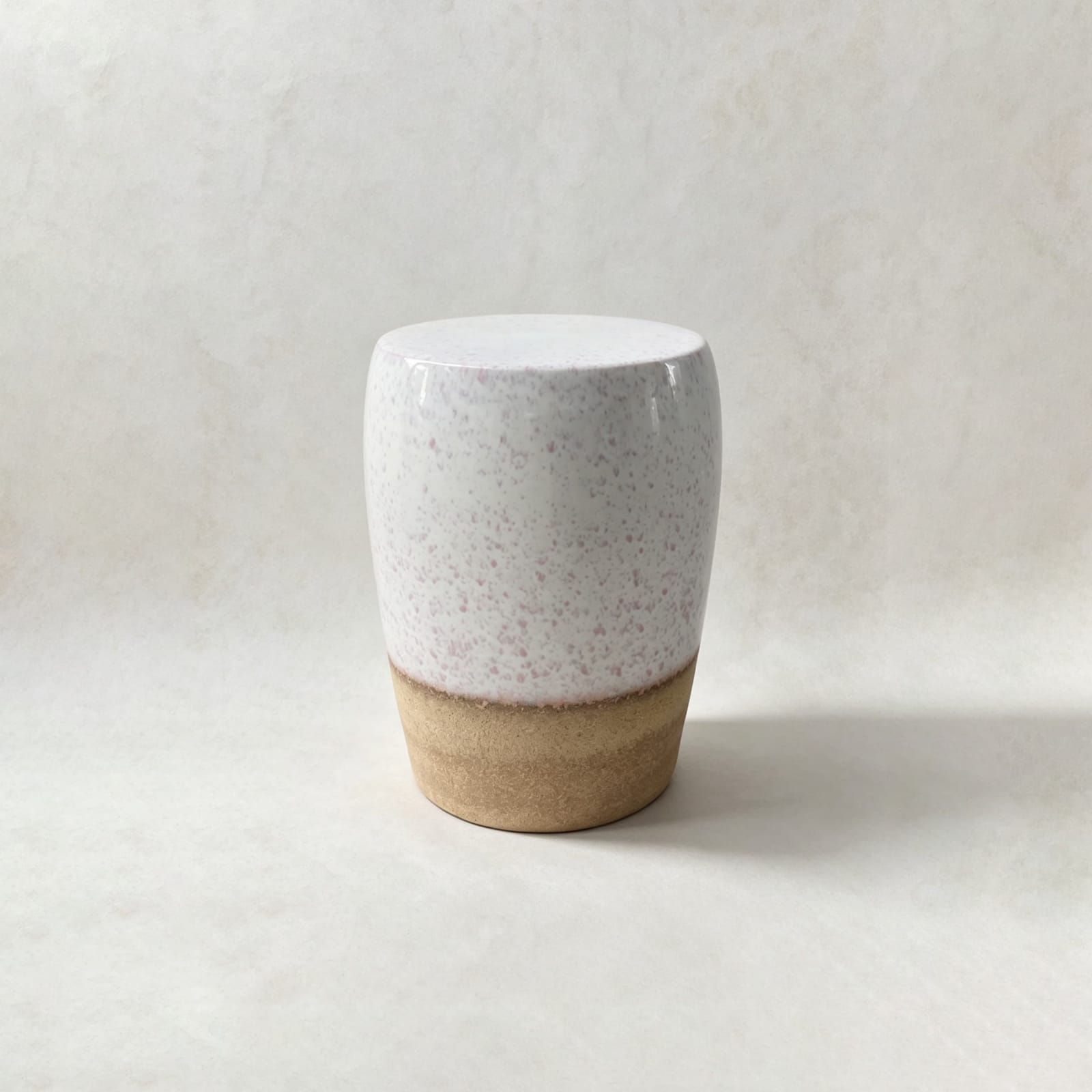
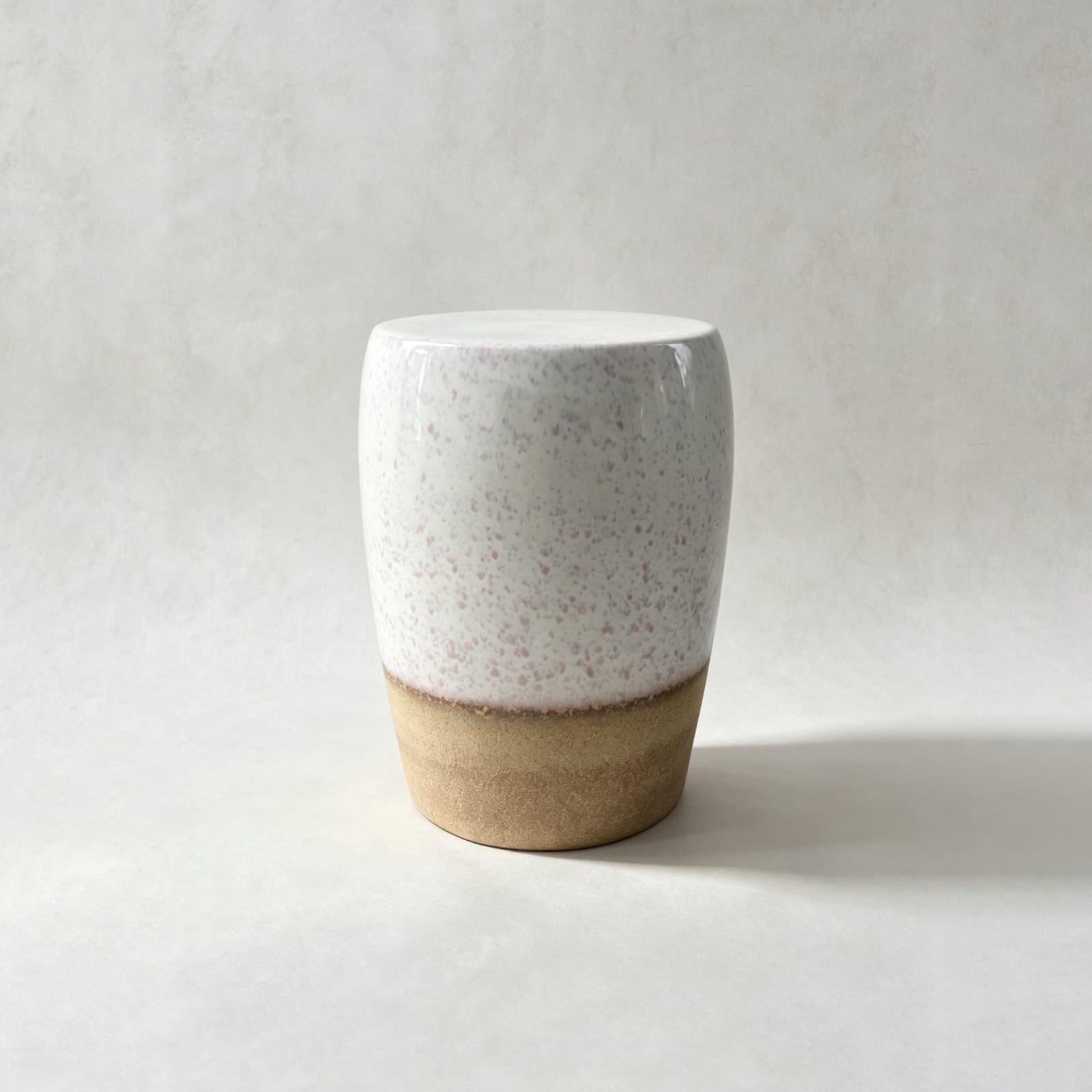
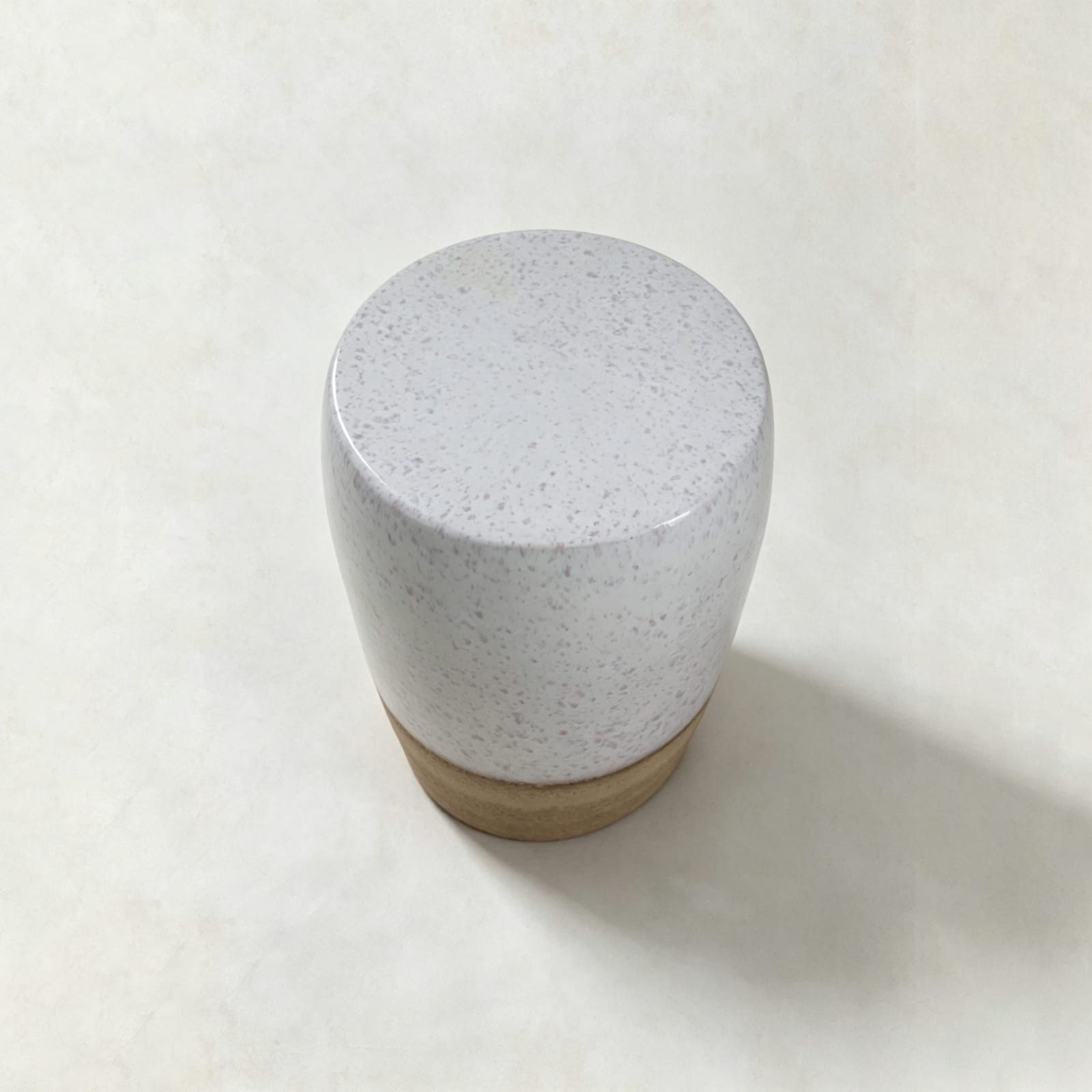
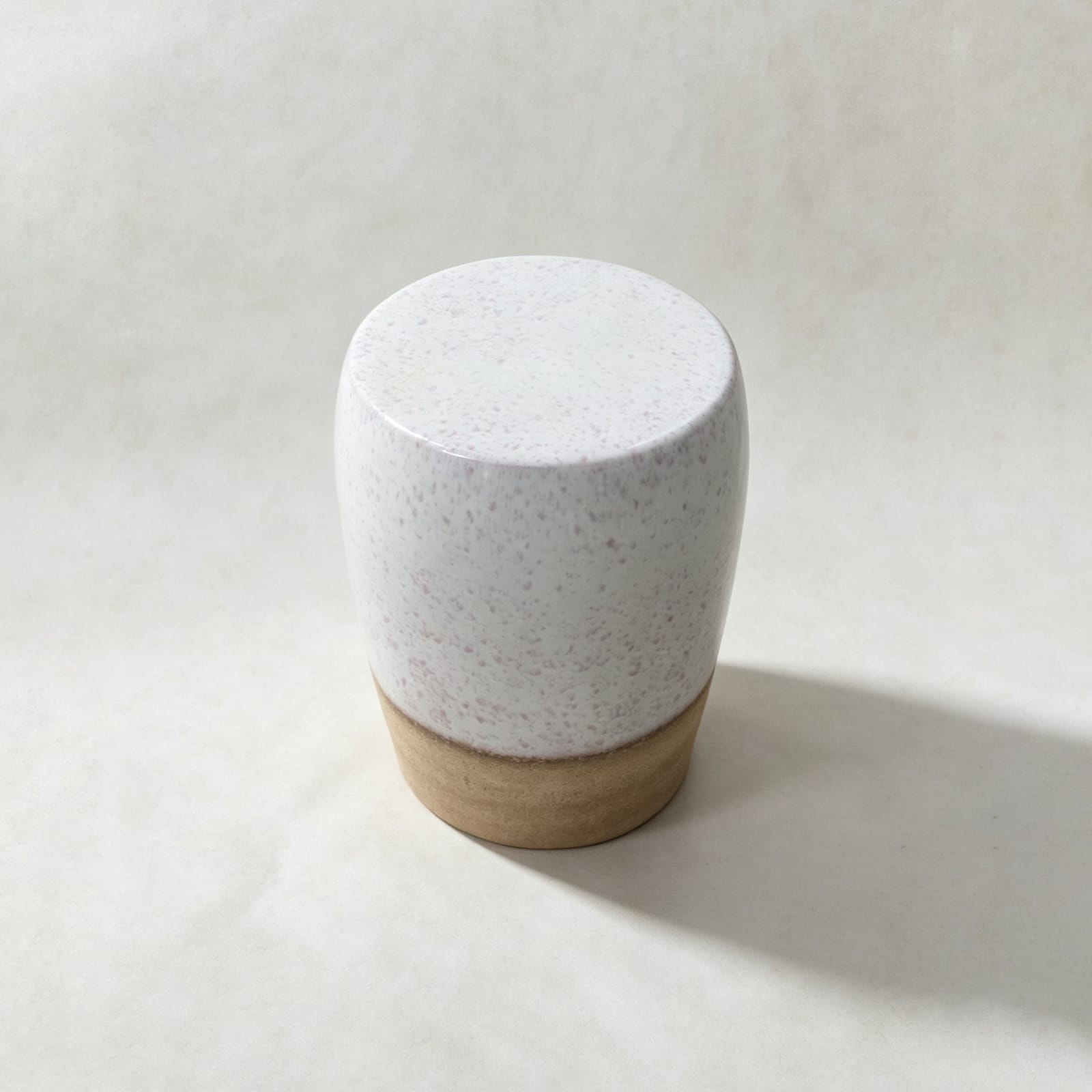
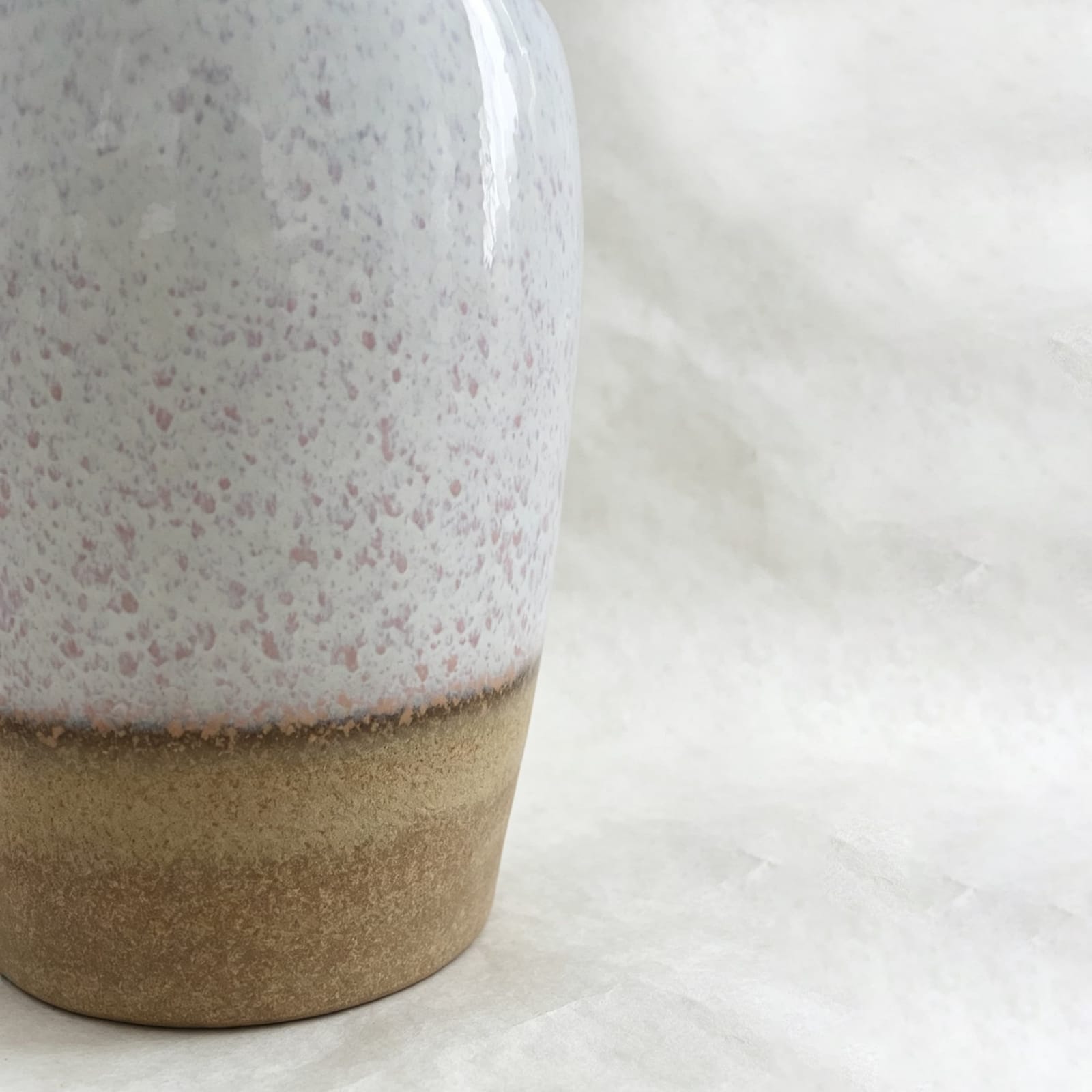
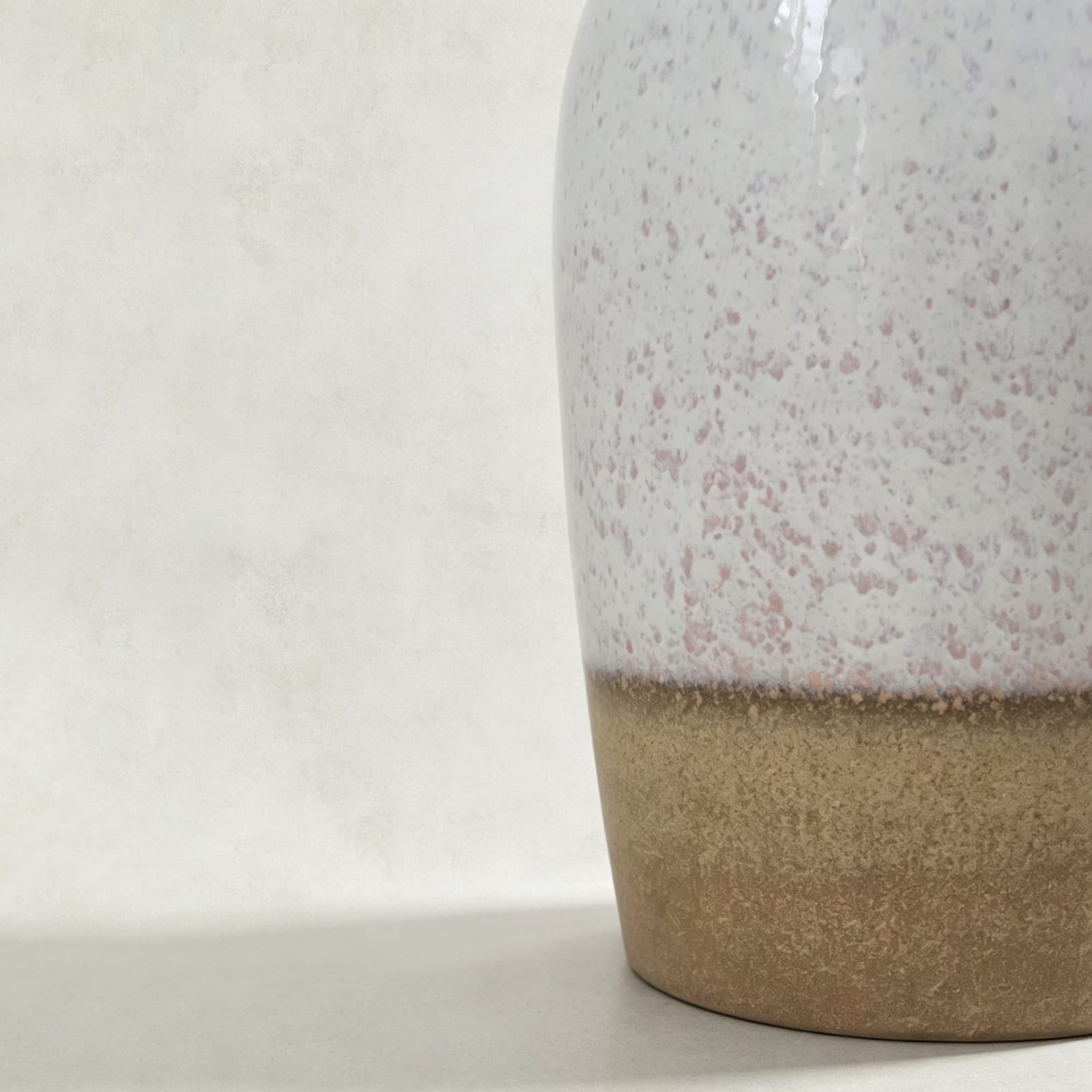
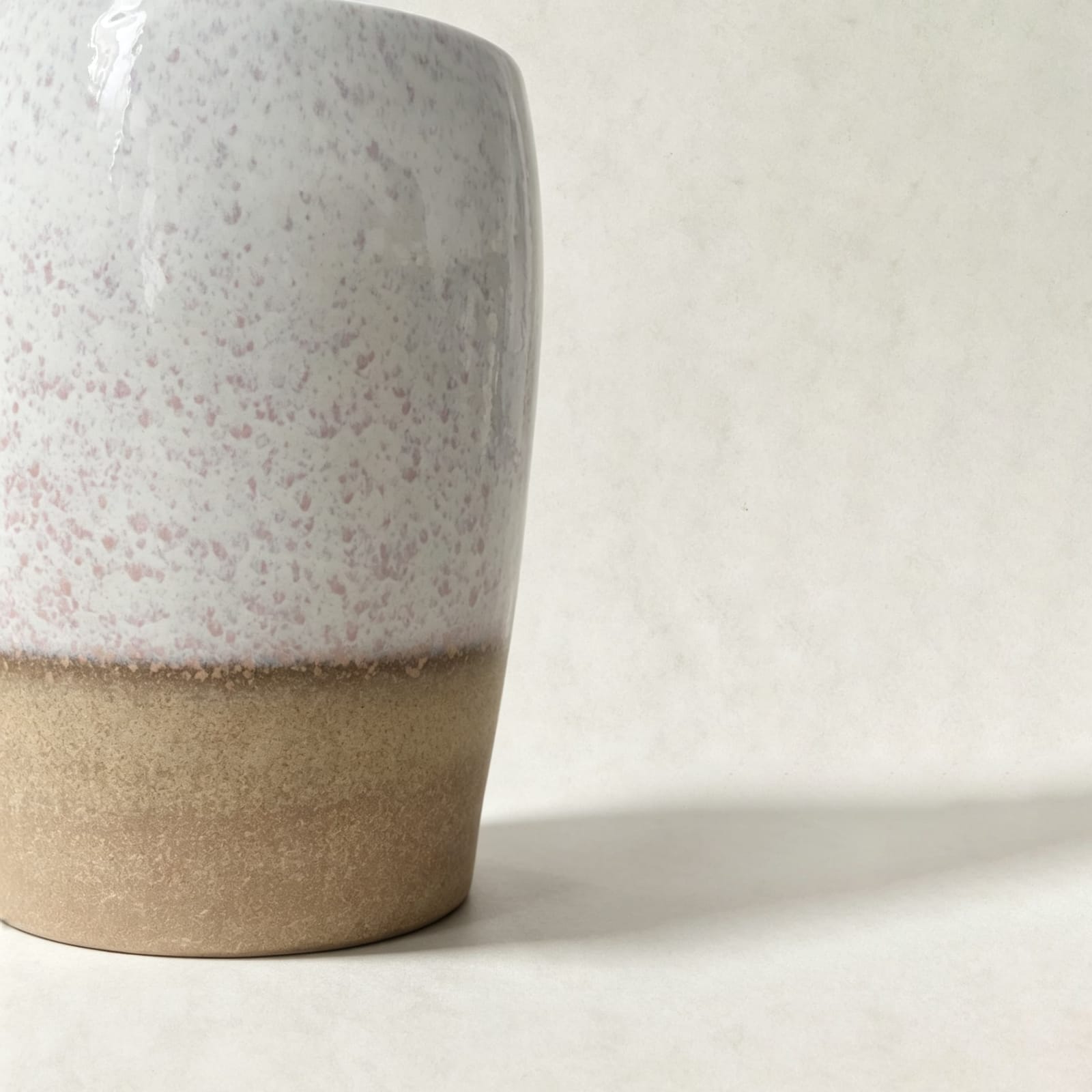
底土存陶璞,釉面落轻霰;取底存陶璞,釉落轻霰之意。器身呈柔和鼓筒形态,轮廓圆润敦和。器物上下自然分界,上部白釉弥散细碎浅色斑点,如霰雪零落浮于釉表;下半保留原生素胎,裸露出粗粝质朴的陶土肌理。 亮润釉面空灵轻盈,哑光素胎沉静厚重,两种质感自然衔接,无刻意雕琢的边界。可作坐凳、花几、空间陈设边几。 静置室隅,一器藏轻重两极。釉面是窑火造就的清灵景致,素胎是陶土与生俱来的本貌,诠释东方守璞存真、华素相融的美学意境。
The underglaze retains the primitive charm of pottery, while the glaze surface is dotted with fine hail-like patterns; the name is derived from the imagery of the underglaze preserving the pottery's innate beauty and the glaze featuring delicate, hail-like specks. The vessel has a gently bulging cylindrical form with rounded and harmonious contours. It is naturally divided into upper and lower sections, with the upper part covered in white glaze scattered with tiny, light-colored specks resembling falling snowflakes floating on the glaze surface, while the lower part retains its original, unadorned bisque, revealing the coarse and rustic texture of the clay. The bright and glossy glaze exudes an ethereal lightness, while the matte plain body conveys a serene heaviness. These two textures blend naturally without artificially carved boundaries. It can serve as a stool, a flower stand, or a side table for spatial decoration. Placed quietly in the corner of a room, a single vessel contains both weighty and light elements. The glazed surface presents a delicate and ethereal scene crafted by kiln fire, while the plain bisque reveals the innate appearance of the clay, embodying the Eastern aesthetic of preserving simplicity and authenticity, and blending elegance with plainness.